
Across markets, digital banking and investment services have converged toward a similar baseline: transfers, payments, card management, savings, and basic investment tools are now widely standardized. As functionality becomes uniform, differentiation shifts from what the service offers to how it guides decisions, reduces uncertainty, and supports users in real situations.
At Markswebb, we have been researching global fintech products for many years — analyzing real user journeys, product logic, communication models, and scenario design across dozens of countries. Based on this continuous research, we maintain a large knowledge base of global UI/UX and product patterns, containing thousands of interface solutions and behavioral mechanics observed in the market.
Because we track solutions at scale and over time, we are able to identify emerging trends early: not just isolated features, but repeatable patterns that show stable impact on user behavior.
In this article, we share a few examples that illustrate current global shifts. Within our trendwatching service, we go further — mapping patterns to your market reality, your audience, and your product strategy.
Contents
Trendwatching is not about copying screens or importing a feature from another app. It is a strategic practice grounded in evidence: we look at how real services across different markets respond to similar user needs, and why certain approaches succeed.
The strength of our trendwatching approach comes from the breadth and depth of our pattern database. Since we observe hundreds of real-world implementations year over year, we see which practices become standards, which fade, and which only work under specific conditions. This allows teams to make decisions based on validated behavior, not on assumptions or one-off references.
Faster, more confident product decisions
Teams can reuse approaches that have already been tested across multiple markets, rather than running high-cost zero-to-one experiments.
Avoiding local convergence
When product thinking is shaped only by local competitors, services tend to become indistinguishable. Global references expand the solution space and prevent “everyone looks the same.”
A defensible product strategy
Understanding why a practice works — and under what user and market conditions — allows product leaders to justify decisions to stakeholders and prioritize with clarity.
Long-term direction instead of feature-level patching
Patterns reveal what role the service can play for different customer segments, how it evolves over time, and how to support users through repeated financial behaviors rather than one-time interactions.
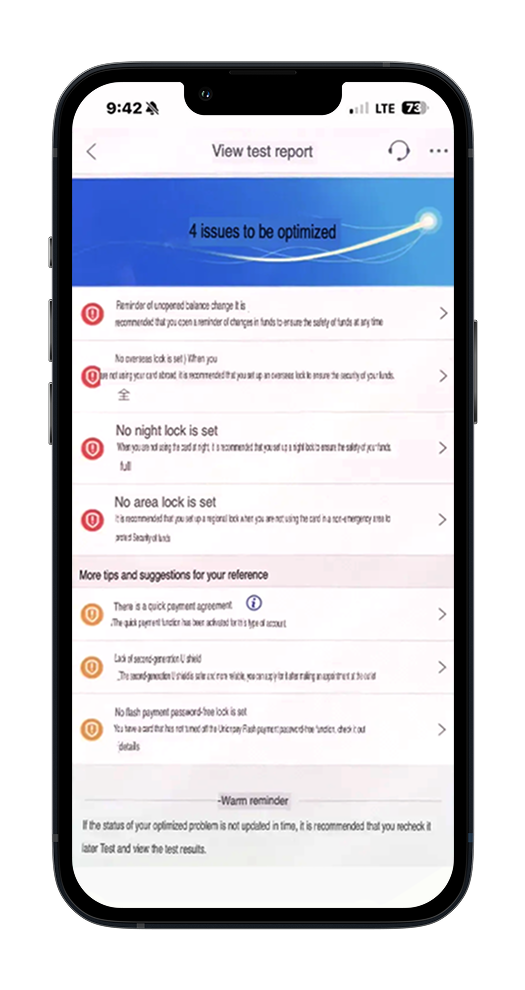
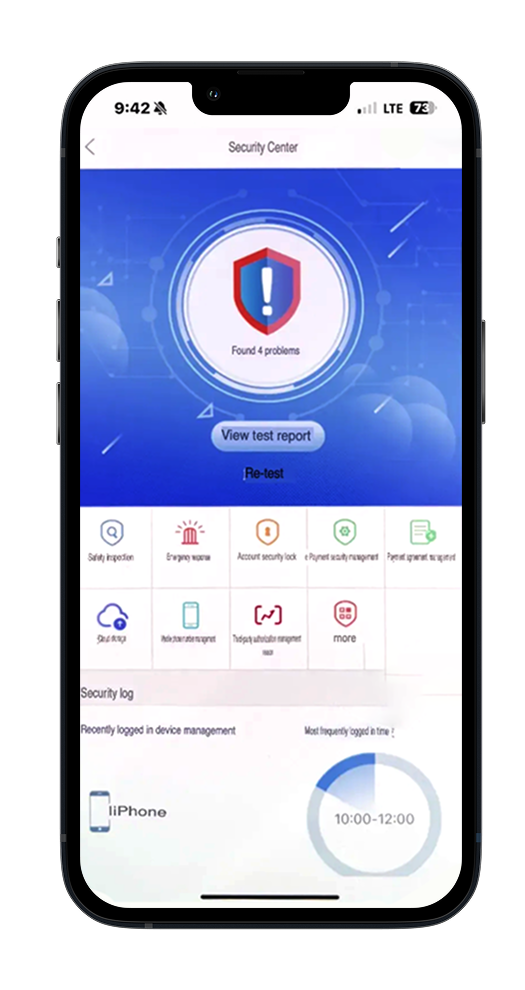
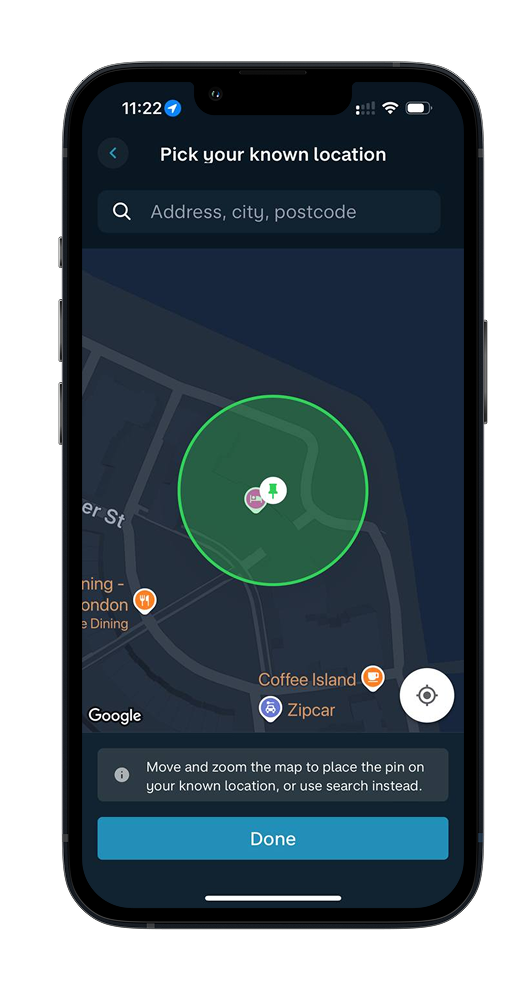
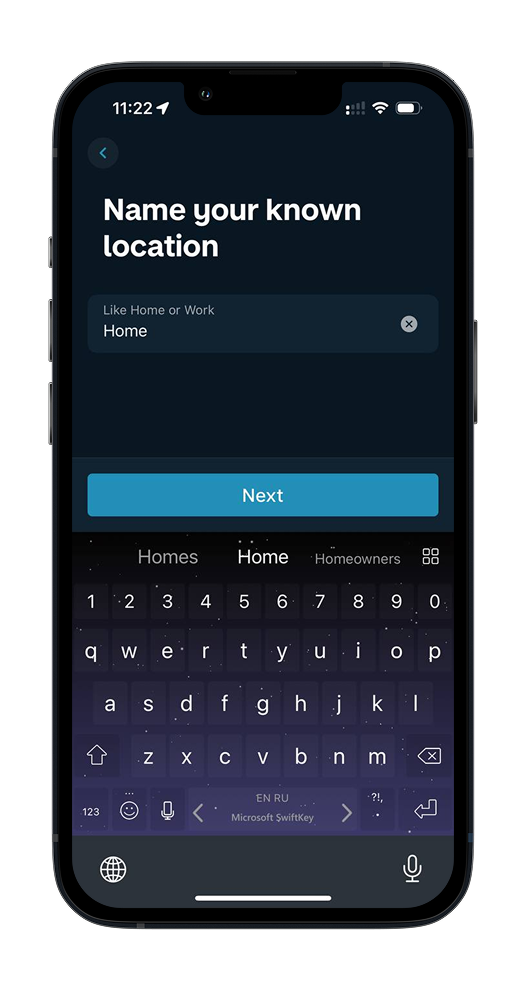
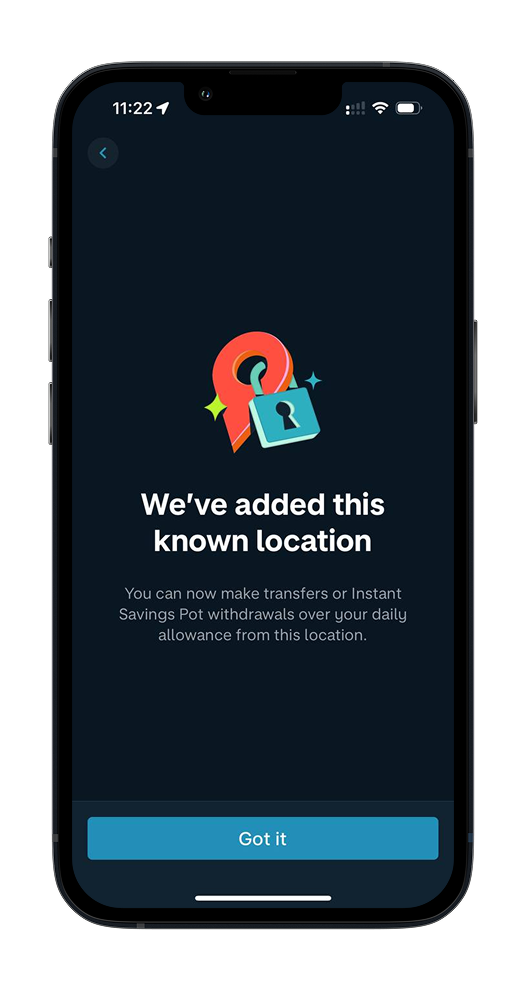
As financial fraud becomes more sophisticated, leading services shift from invisible background protection to user-controlled security. The goal is to increase transparency and reduce anxiety without adding friction.
Practices:
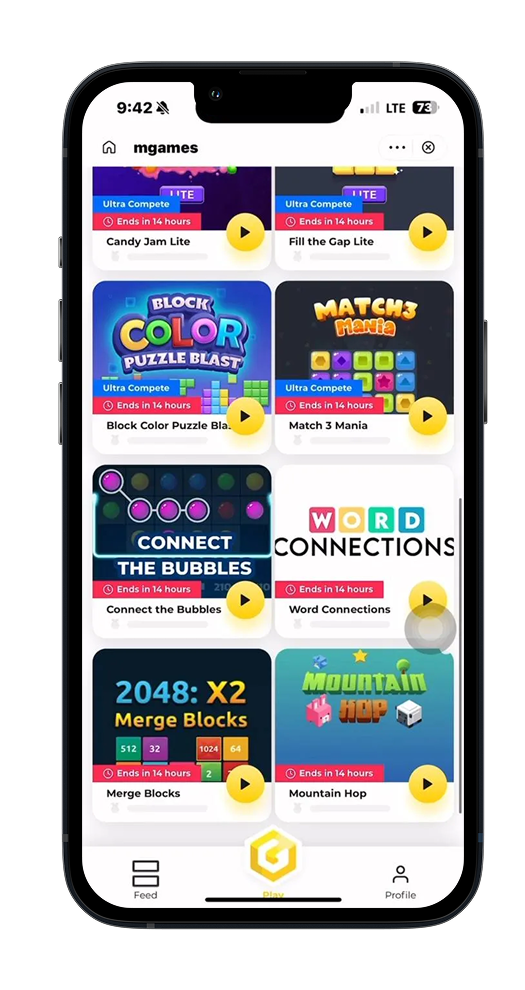
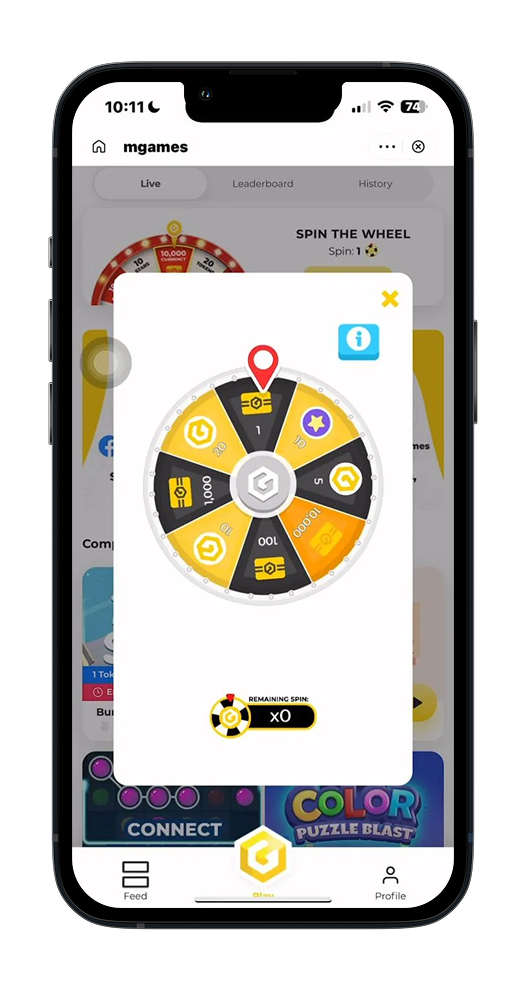
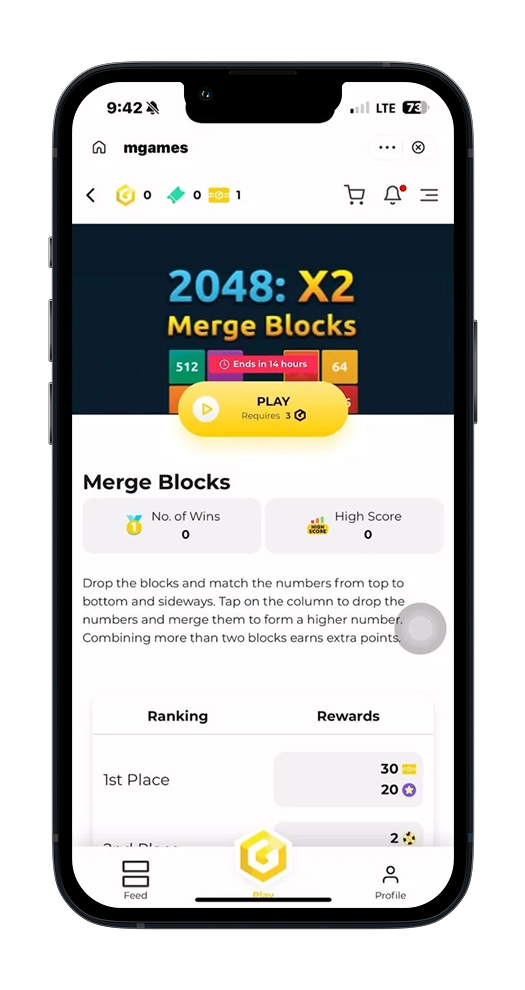
Retention in savings and investment scenarios is driven by behavior over time. Global services now use engagement mechanics to reinforce consistent habits rather than stimulate one-off actions.
Practices:
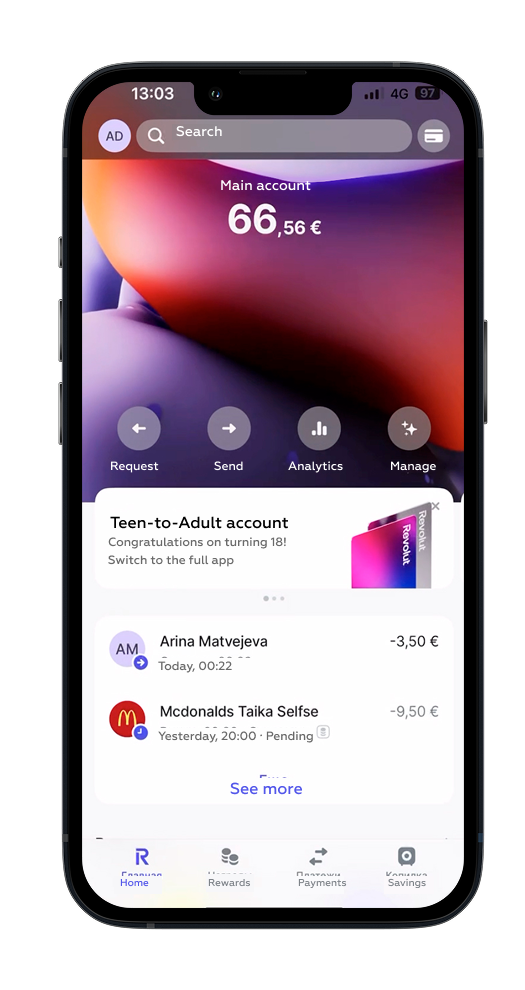
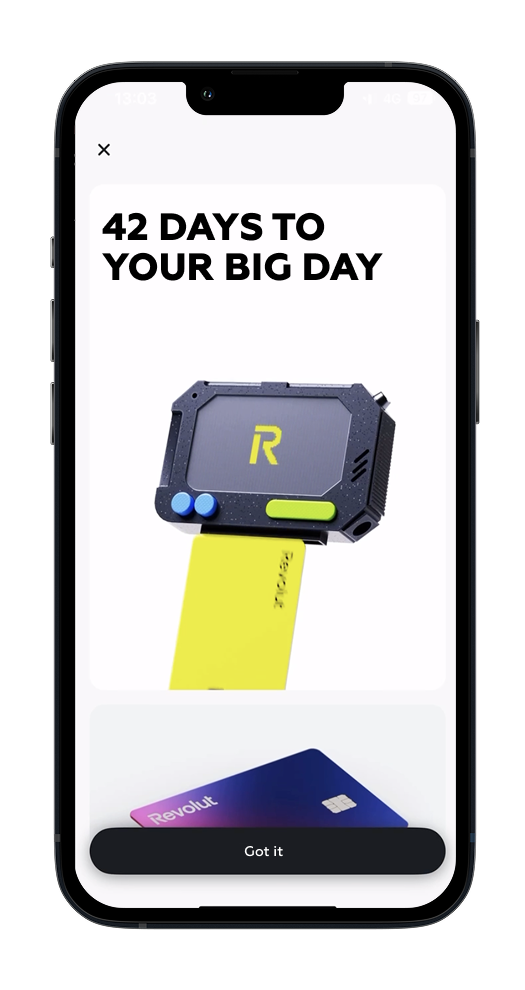
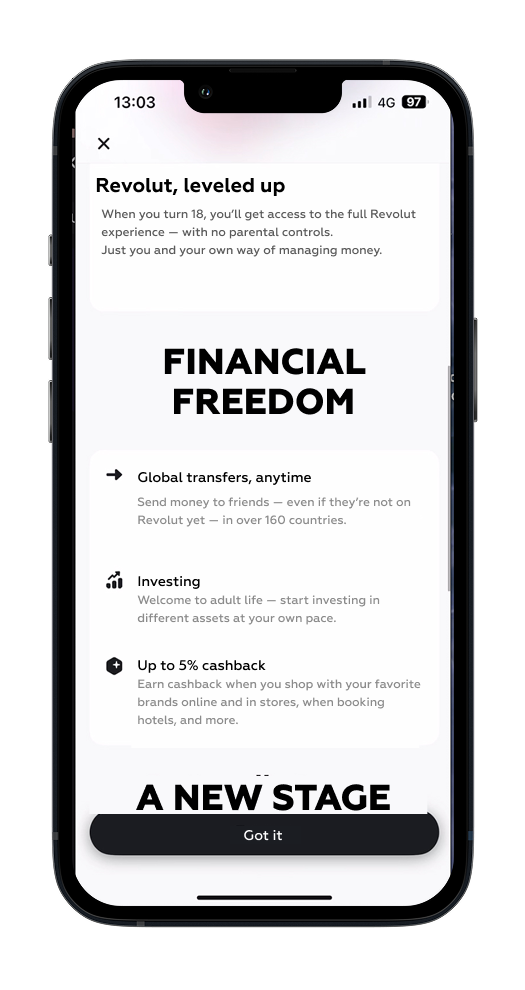
AI moves from automation to interpretation of situational context, helping users make financial decisions with confidence.
Practices:
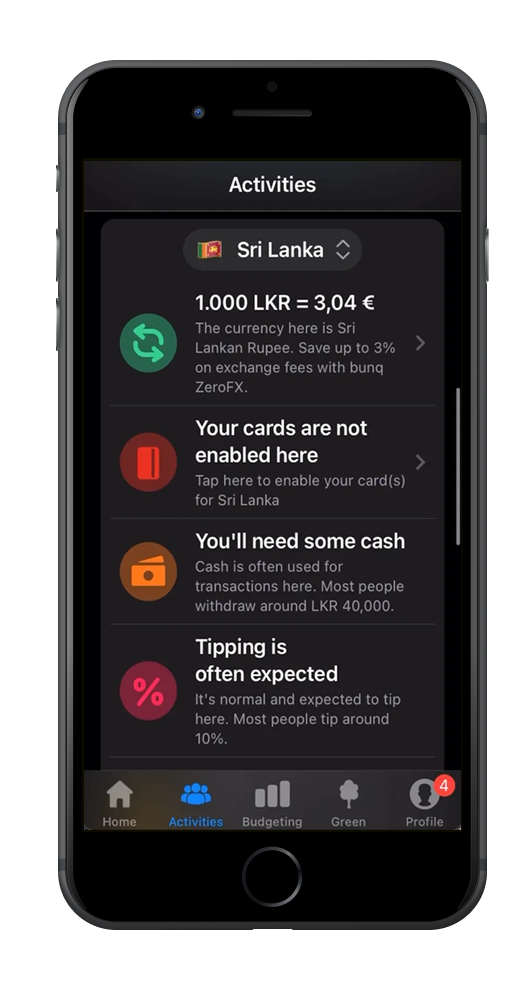
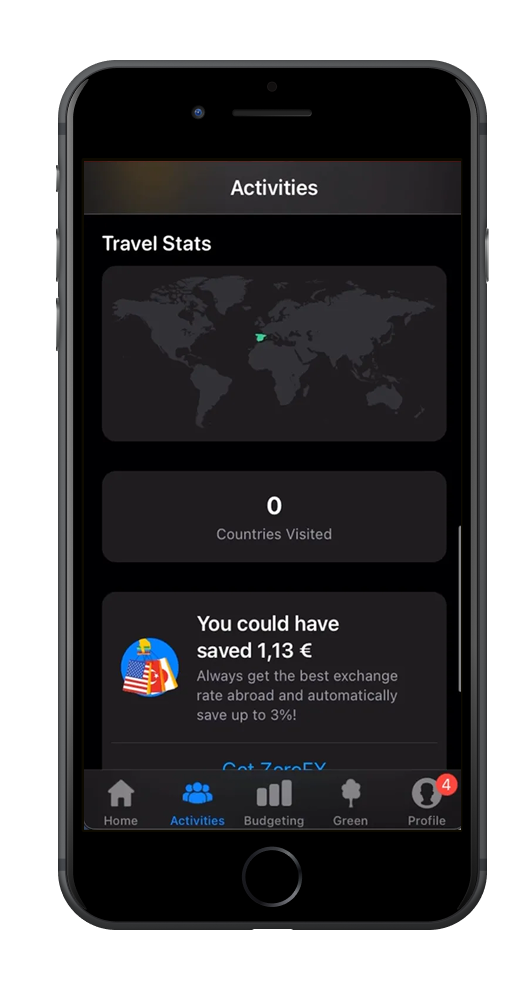
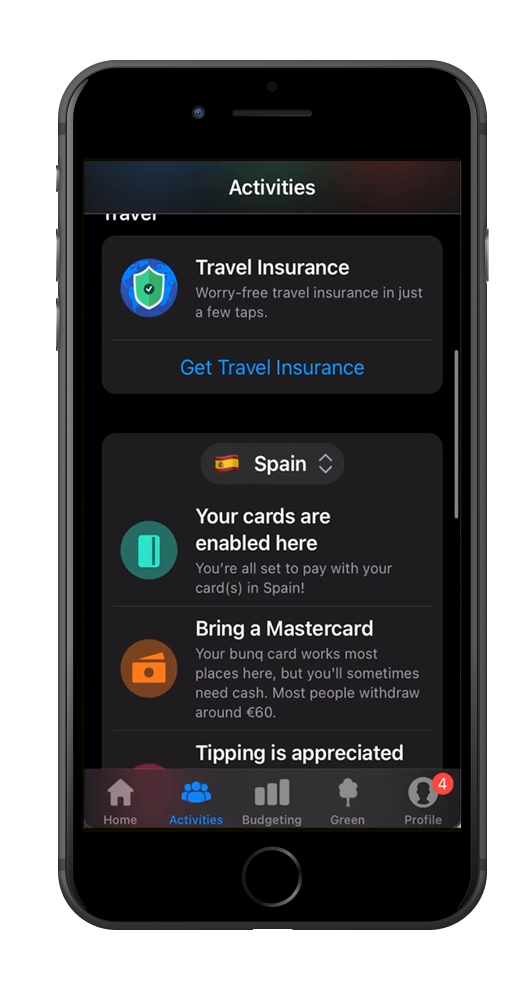
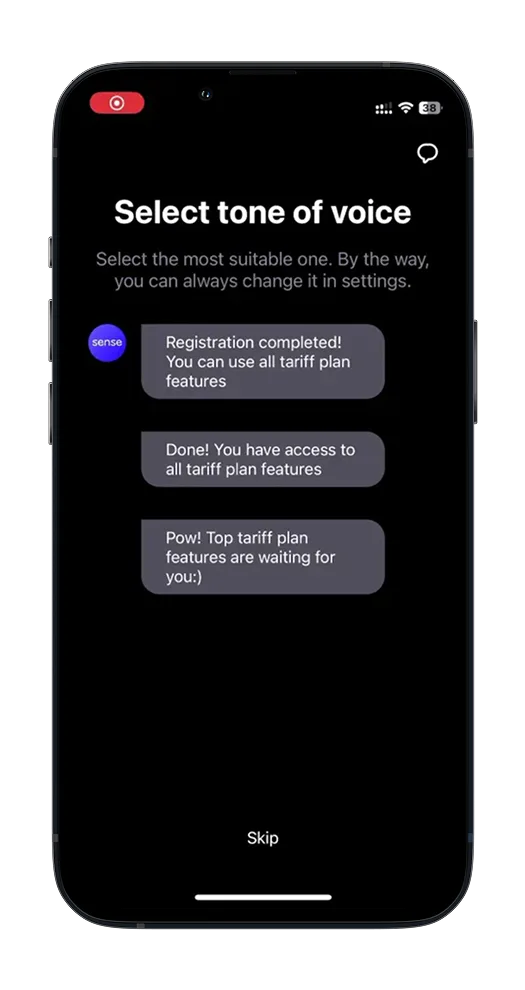
These practices consistently show positive results across different markets because they are built on core behavioral principles rather than on visual novelty. Financial decisions often carry uncertainty, and users look for services that help them feel confident in their actions. When an app explains what is happening, why something requires attention, and what the next step should be, it reduces cognitive load. For example, a security check-up turns the abstract concept of “safety” into a clear sequence of small, manageable actions, which lowers anxiety and encourages proactive involvement.
Another important factor is the sense of control. Users trust services more when they understand the rules and have influence over meaningful parameters. Allowing high-value transfers only from trusted locations is effective not because of the restriction itself, but because it communicates control in a transparent and predictable way — the user sees the logic and participates in the decision.
Many financial goals are achieved not through one-time motivation, but through consistent repetition. Practices like savings through interactive storytelling work because they reinforce small, repeated actions. Instead of relying on willpower, the product integrates saving into an ongoing narrative, connecting the action to progress and emotional investment. Habit formation becomes a natural outcome of experience design.
Finally, contextual guidance matters more than general advice. AI-based recommendations work when they appear at the right moment, where a real decision occurs. A travel spending assistant is valuable not because it uses AI, but because it anticipates a situation where users often feel uncertain and provides relevant guidance directly within that moment. This shifts the perception of the app from a tool to an active companion.
In essence, these practices succeed because they reduce uncertainty, increase a sense of agency, and support users exactly at the point where decisions are made — helping them not just complete tasks, but feel confident while doing so.
Adapting global best practices begins with understanding why they work — not how they look. The goal is to integrate behavioral logic into your product, not replicate someone else’s interface.
Start by identifying high-friction moments in your user journeys: where people hesitate, re-check details, or abandon actions. These points often reveal uncertainty rather than missing functionality. Analyze support logs, drop-off funnels, or quick usability tests to see where guidance or reassurance could reduce hesitation.
In these moments, the task is not to add more screens but to add clarity. Show users why a security setting matters, what kind of risk it reduces, or what result a financial decision might lead to. Instead of long tutorials, provide small, contextual cues — micro-recommendations, visual confirmations, or short previews of possible outcomes such as projected balances or fees. Transparency replaces complexity and builds trust.
Localization is another essential step. Global practices should be reinterpreted, not transplanted. Ask yourself: what is the user’s motivation in our market? In what situations does the same behavior appear locally? Which cultural or regulatory limits should shape our adaptation? The most effective localization retains the behavioral principle — guidance, control, confidence — while adapting its visual and technical form.
Validation should also happen early and lightly. You don’t need a fully built feature to see whether the approach makes sense to users. A simple clickable prototype or Wizard-of-Oz simulation can already show whether the new logic reduces hesitation or increases confidence. Use a fast cycle of qualitative testing and iteration instead of relying on post-launch analytics alone.
Finally, measure success through behavioral and perception metrics, not just clicks or session counts. Track changes in:
By focusing on these indicators, teams can see how global practices translate into real behavioral shifts — and design for confidence, not just convenience.
Trendwatching is not about replicating features from other markets. It is about understanding how user expectations evolve and how product logic adapts to reduce uncertainty, support decision-making, and form long-term financial habits. When we trace why a practice works and under what conditions it succeeds, we can adapt it to a specific market or customer segment without losing the underlying behavioral value.
Global practices become most powerful not when they are reproduced visually, but when their principles shape product decisions — where to add clarity, where to reinforce a sense of control, and where to support repeated actions that drive retention and trust over time.
At Markswebb, we have been tracking these patterns across markets for years. By maintaining a large comparative knowledge base of global fintech and investtech solutions, we are able to identify stable product logics early — and help teams apply them with confidence.
If you would like to explore how these patterns could support your product’s strategy, we can run a trendwatching session focused on your market, audience, and growth priorities.
Contact us via WhatsApp or email to discuss how these practices can support your product
We respond to all messages as soon as possible.
We’ve evolved dozens of successful financial services and are eager to prove that our expertise can be implemented in other industries and around the world. Have a look at our success stories!