
Fintech products are crossing borders faster than ever. Banking apps, investment platforms, and digital wallets expand into new markets with high expectations from global users. Yet, too often these expansions are handled as isolated localization projects — swapping language packs, adjusting currency formats, or patching compliance screens.
The result? Fragmented experiences, duplicated work for design teams, and lost opportunities for efficiency. To succeed internationally, fintech products need more than localization. They need UX designed for scalability from the start.
Contents
When fintechs expand internationally, localization is often treated as the main task: translate the interface, switch currencies, adjust regulatory disclaimers. This narrow approach creates hidden costs.
The outcome is a patchwork of user experiences that frustrate customers, delay launches, and erode efficiency.
Scaling fintech UX across multiple countries means building systems, not patches. Instead of redesigning the same flows for every new market, teams can create modular frameworks that adapt to local specifics while preserving consistency.
Key principles of scalable UX:
The goal is not to eliminate localization but to make it part of a scalable system — one that supports local differences without fragmenting the global product identity.
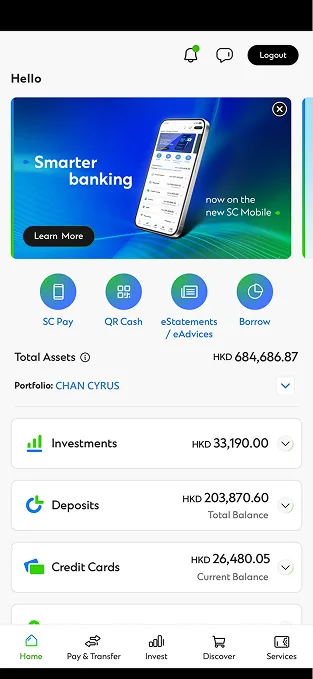
1. Standard Chartered – Modular digital onboarding & KYC
Why it matters: Traditional onboarding and document processing are manual, fragmented, and slow — not built for scaling across multiple countries.
Best practice: Standard Chartered automated onboarding with machine learning and modular KYC blocks. Local regulatory checks are layered on top of a shared system, reducing turnaround times and ensuring consistency across markets.
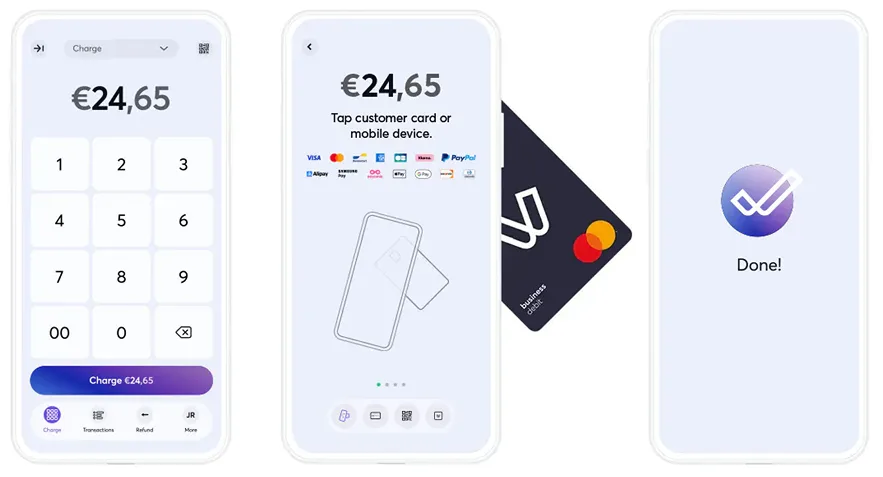
2. Viva Wallet – Reusable trading and payments templates
Why it matters: Payment and trading flows must follow local rules, but rebuilding them for each market slows expansion.
Best practice: Operating in 24 European countries, Viva Wallet built reusable payment and account templates. Local variations (tax disclosures, currency rules, transaction limits) are layered onto the same screens, ensuring consistent UX across markets while remaining compliant with regional regulations
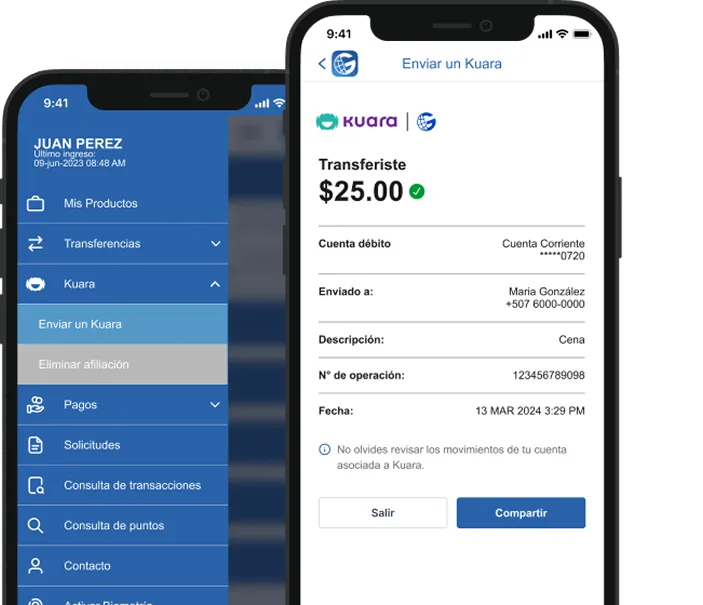
3. Global bank – Fragmented wallet versions
Why it matters: Without scalability, global rollout becomes a patchwork.
Best practice missed: A large multinational bank launched its digital wallet market by market, hard-coding regulatory steps and currency settings. Within three years, it was running multiple incompatible versions that each required separate maintenance. Expansion slowed, and customers experienced inconsistent journeys across countries.
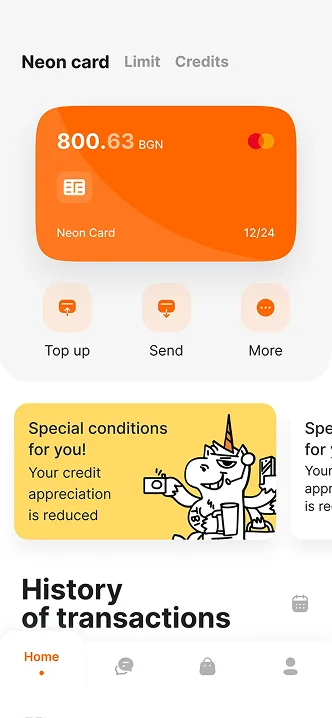
4. TBI Bank – Adaptive onboarding design system
Why it matters: Local compliance often requires tailoring the onboarding journey. If the design system doesn’t account for this, the product becomes inconsistent.
Best practice: TBI Bank optimized its digital onboarding with flexible modules for identity verification and customer profiling. Markets with lighter requirements could streamline flows, while stricter ones added biometric steps. This adaptive approach reduced acquisition costs by 66% and preserved a unified product experience.
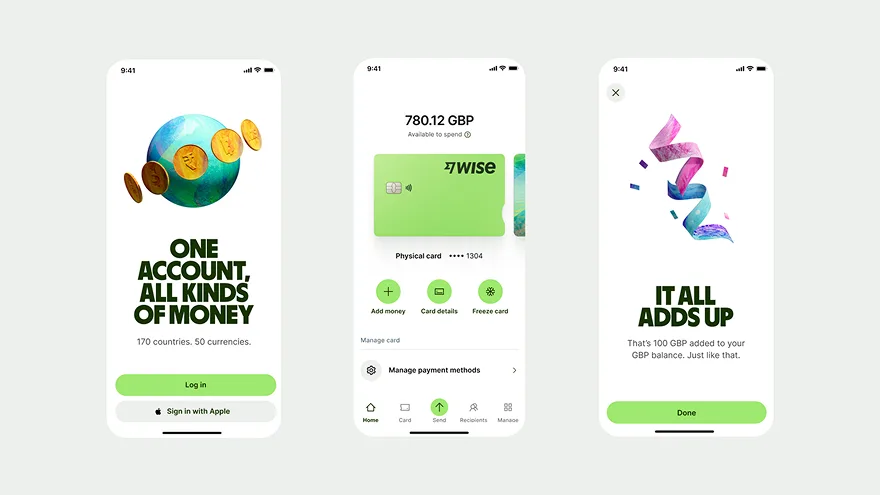
5. Wise – Scalable support model
Why it matters: Customer support in cross-border services often becomes fragmented, with separate FAQs, chatbots, and hotlines per country. This inconsistency creates confusion for users and inefficiency for support teams.
Best practice: Wise built a centralized help center where core knowledge articles and chatbot flows are global by default. Local variations — language, regulatory notes, and payment methods — are layered in without duplication. This ensured consistent user guidance across markets while streamlining updates for the support team.
In our research across markets — from the Mobile Banking Review UAE to the European Digital Investment Map — we consistently see the difference between products that localize and those that scale.
At Markswebb, we evaluate scalability through:
This perspective allows us to help teams design for long-term growth — making sure that every new market strengthens, rather than fragments, the product experience.
Designing for scalability is not just an operational choice — it directly affects business performance and user trust.
Scalability is the bridge between regulatory diversity and a unified product identity. Without it, growth stalls. With it, expansion becomes sustainable.
Expanding fintech products across countries demands more than quick fixes. Localization solves surface needs, but only scalability ensures consistent experiences, faster rollouts, and long-term efficiency.
The key is to design systems that adapt, not rebuild — onboarding flows that flex with regulation, payment templates that adjust to local rules, and support models that remain unified across markets.
At Markswebb, we help fintechs and banks build this foundation. Our research and benchmarks highlight what works — and where scalability breaks down.
Get in touch to learn how your product can scale internationally without sacrificing usability or speed.
We respond to all messages as soon as possible.
We’ve evolved dozens of successful financial services and are eager to prove that our expertise can be implemented in other industries and around the world. Have a look at our success stories!