When creating an innovative service, teams often face a paradox: users can’t describe what doesn’t exist yet. Traditional UX research relies on uncovering user pain points and testing hypotheses against familiar experiences, but innovation starts where those references end.
In such cases, asking users “What would you like to see?” brings little value — their answers are rooted in existing experiences. The real task for researchers is to reveal latent needs, the ones people can’t yet articulate but that shape their decisions and expectations.
Innovation, by definition, lives in uncertainty. There are no direct competitors, no established mental models, and no clear benchmarks to rely on. That’s why research for innovation requires a different mindset — one that helps teams observe behavior instead of collecting opinions, and translate those observations into structured insights for design and business decisions.
Contents
When a team works on an innovative product, traditional research logic quickly reaches its limits. If there are no direct competitors and users have never encountered a similar solution, we cannot rely on established expectations or familiar benchmarks.
In this situation, the role of research is not to evaluate usability or refine interaction patterns. Instead, the task is to reduce strategic uncertainty: to understand whether the concept has value, what problem it solves, and how people might integrate it into their current routines.
There are two typical risks at this stage:
Both scenarios stem from the same issue: lack of clarity about the real role of the product in users’ lives.
To avoid this, research should focus not on what users say they want, but on uncovering:
This perspective shift allows teams to identify where the value of a new service may emerge — even when users themselves cannot describe it yet.
When users describe what they need, they usually reference familiar tools rather than underlying goals. To uncover meaningful insights for innovative services, we focus not on what users say they want, but on how they actually operate. The “skeleton of needs” is a structured way to interpret interview findings and translate them into product direction.
We analyze interviews through several dimensions:
This structure helps us understand the logic of the user’s work and decision-making, rather than designing features based on direct requests. Once the “skeleton” is clear, we can identify:
A café chain owner focuses his time on maintaining strategic oversight: comparing performance across locations, monitoring revenue trends, and deciding where to invest attention. He delegates operational processes to staff but keeps control over financial interpretation, relying on a mix of spreadsheets and handwritten notes.
This system is not efficient, but it provides him with a sense of clarity and personal involvement. What he needs from a service is not automation of accounting tasks or execution of financial operations.
Instead, he needs tools that help him see how each café is doing at a glance, identify anomalies, and make decisions quickly and confidently. Functions related to tax generation or payment execution would not help him, because those tasks are already delegated.
For him, a valuable product is one that strengthens strategic control and simplifies interpretation — not one that attempts to replace the workflows he has intentionally distributed among others.
When designing an innovative service, looking only at direct competitors is rarely enough. Direct competitors show how the market currently works — but innovation requires understanding how the problem could be solved differently. That’s why we analyze indirect competitors: services from other industries that solve similar tasks, support similar motivations, or use interaction patterns that feel natural to users.
This approach expands the team’s design vocabulary and helps avoid fragmented, feature-by-request solutions. Instead of copying the market, we identify patterns that already work in other contexts and translate them into the new domain.
We look for parallels on several levels:
These analogies are rarely obvious, but they provide practical, validated models that teams can adapt without starting from scratch.
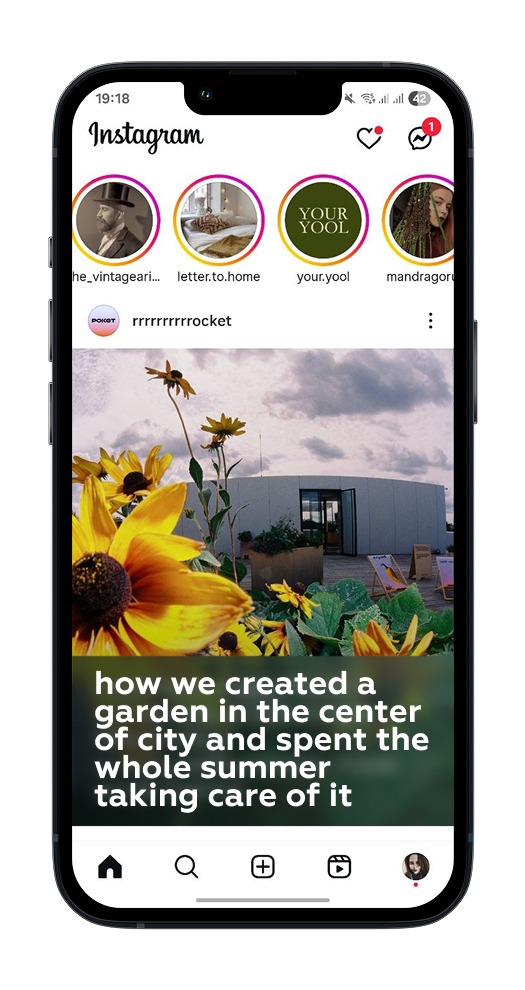
Banking apps borrowed the “stories” format from social platforms to deliver quick updates and personalized recommendations.
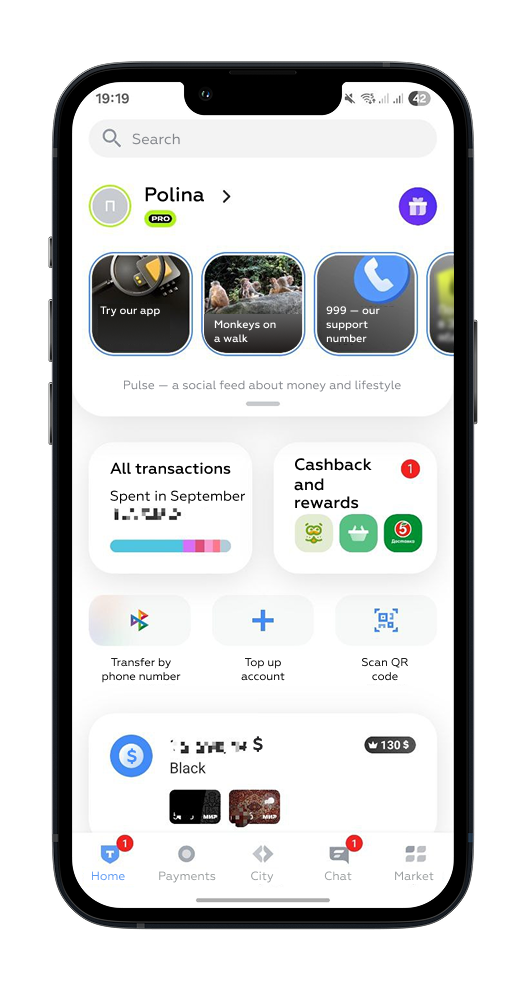
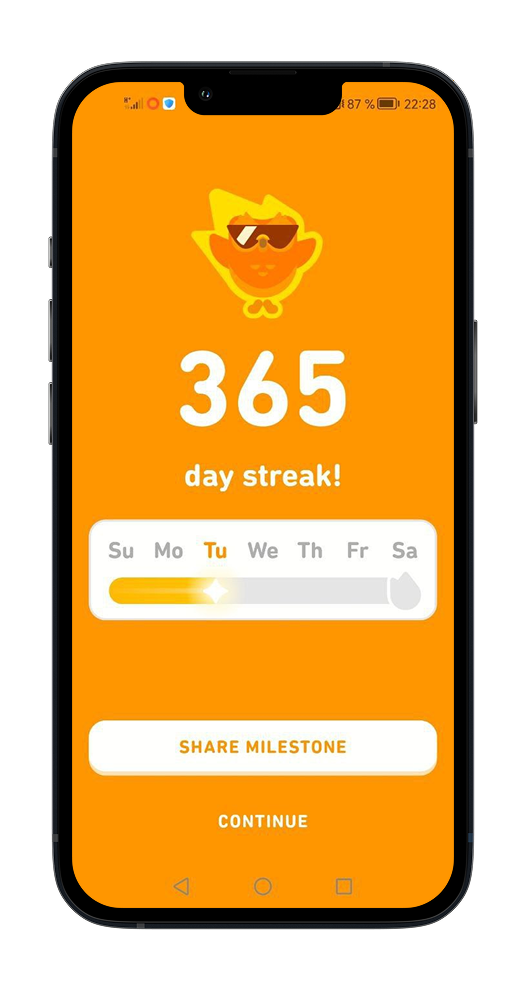
Many financial and B2B tools adopted gamification mechanics from learning apps to help users build consistent habits.
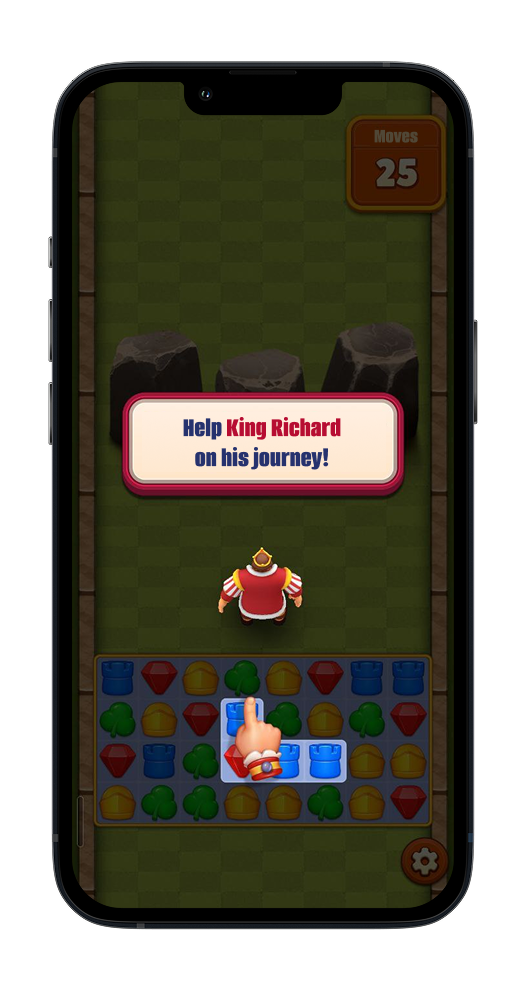
Complex services introduced role-based access and multi-user control, inspired by teamwork platforms and educational systems — not finance.
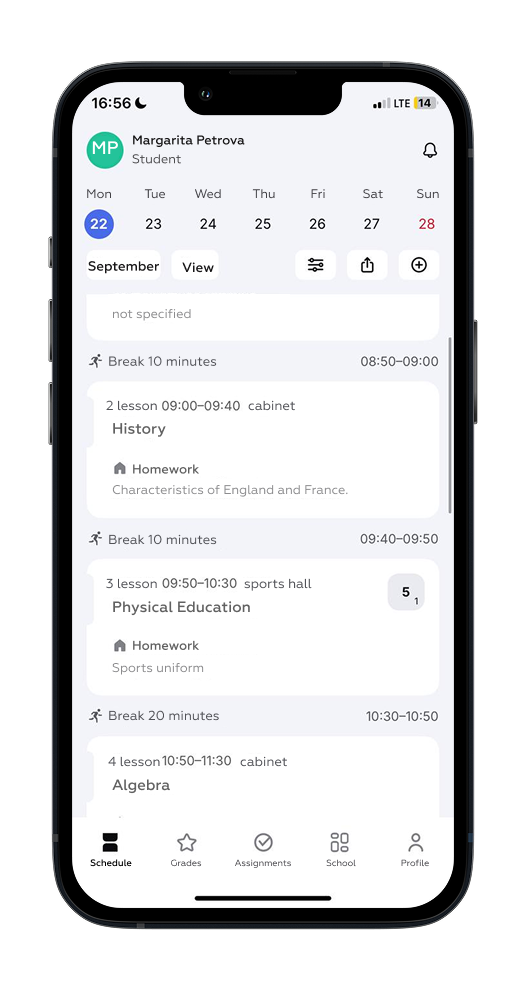
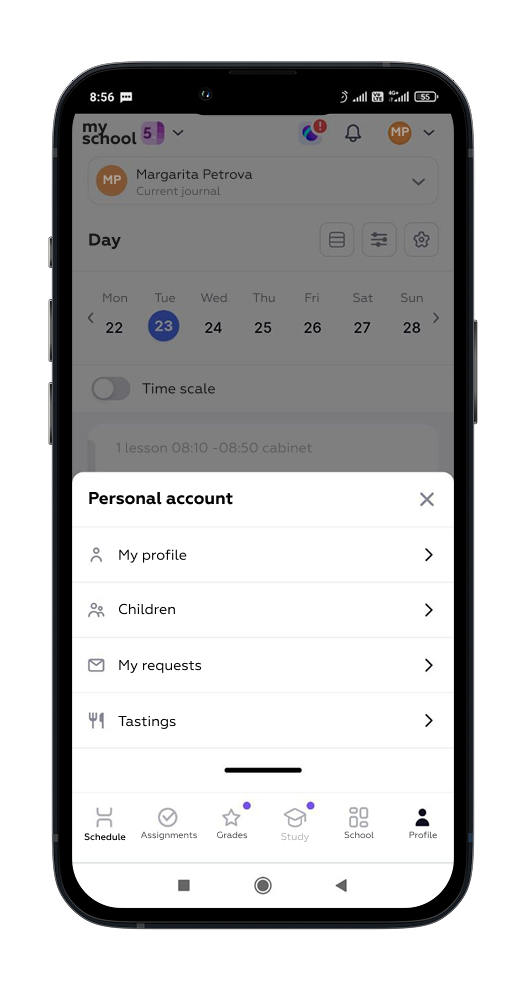
The value is not in copying features, but in understanding why they work and what user expectation they satisfy.
This process is, in essence, an interview with the service: we analyze it not as a product to benchmark, but as a source of underlying principles.
No single research method is sufficient when the product concept is new. User interviews show how people currently solve their tasks, but they do not indicate how a future service should behave. Competitive analysis reveals which interaction models already work in the market, but does not explain the personal routines behind them. Market research highlights feasibility and trends, but does not describe how users make decisions in real contexts.
For this reason, we combine all three perspectives into what we call the 3D research approach.
The first dimension is user interviews. They help uncover core tasks, decision-making logic, and the ways people maintain a sense of control. This allows us to see where uncertainty or friction appears, and what helps users restore confidence in their actions.
The second dimension is analysis of indirect competitors. Here we look at how other services — sometimes from entirely different industries — simplify complex tasks, maintain clarity without overwhelming the user, and reinforce intuitive interaction patterns. This perspective provides tested metaphors and structural models that can be translated into the new product.
The third dimension is market and category research. It shows which technologies and practices are becoming the norm, which segments are prepared for adoption, and how the product can differentiate itself in a crowded landscape.
When combined, these three perspectives transform fragmented observations into a coherent product direction. They help define the role the service should play in the user's routine, which decisions it needs to support, how interaction should be structured so that it feels natural, and how the product should be positioned so that its value is both clear and credible.
This alignment turns early uncertainty into structured, confident decisions about the shape of the product.
Research only creates value when it leads to clear, grounded decisions about how the product should work. The goal is not to collect observations, but to shape a coherent concept that supports real behavior and can be validated early.
To move from research to product direction, we translate insights into concrete answers to three questions:
We identify the purpose of the service from the user’s perspective, for example:
Understanding this prevents the product from trying to solve everything at once and losing focus.
Based on the “skeleton of needs” and observed workflows, we outline:
This step shapes the backbone of the service — not as a feature list, but as a sequence of meaningful user moments.
We align the format of interaction with the user's existing habits:
This ensures the service feels natural, not imposed.
We test the concept through:
The purpose is not usability testing, but to answer key questions:
If the answer is no, we refine the concept before UI and development begin — reducing cost and risk.
The outcome of this process is not just understanding the user — but a product definition that is:
Research becomes a decision-making tool, not a repository of insights.
Innovation does not come from asking users what they want. It comes from understanding how they work, what they are trying to achieve, and where current tools fail to support their decision-making. When we look only at direct requests or feature ideas, we risk producing solutions that are inconsistent or overloaded. Instead, by analyzing core tasks, habits, aspirations, and workarounds, we uncover the real logic behind user behavior — and this logic becomes the foundation for product direction.
Combining this understanding with insights from indirect competitors and broader market dynamics allows us to shape a service that is both intuitive and strategically grounded. The result is not a hypothetical concept, but a clear product role, focused scenarios, and interaction patterns that feel natural. Early validation ensures the idea resonates before significant investment is made.
In this way, research becomes not just a source of insight — but a practical guide for designing services that provide clarity, confidence, and meaningful value in everyday use.
We’ll help you turn early ideas into a validated, user-centered product vision.
Contact us via WhatsApp, send an email, or fill out the form below to learn more.
We respond to all messages as soon as possible.
We’ve evolved dozens of successful financial services and are eager to prove that our expertise can be implemented in other industries and around the world. Have a look at our success stories!