
Trust has always been the foundation of banking. Yet in the digital era, the meaning of trust has expanded beyond financial security or compliance. Today, customers expect banks not only to protect their money but also to provide clarity, empathy, and emotional reassurance in every digital interaction.
Competition in digital finance — from neobanks to super apps — has intensified. Users now juggle multiple financial services and switch providers easily if they sense a lack of transparency or support. Functional excellence is no longer enough; the absence of emotional connection makes even the most advanced services feel replaceable.
For banks, this means designing for trust must go beyond encryption and regulations. It is about creating experiences that reduce anxiety, show transparency, and establish a sense of partnership. In practice, this involves a new design mindset: interfaces that make users feel supported, in control, and understood.
To help businesses address this challenge, Markswebb conducted the Mobile Banking Rank 2024 — an in-depth study of 21 banking applications using more than 1,000 evaluation criteria. The research identified best practices in automation, onboarding, product management, and transparency that can help banks not only strengthen functionality but also build the emotional connection customers increasingly expect
Contents
In banking, trust is more than a rational assessment of security. It is an emotional state shaped by a user’s daily interactions with their bank. Customers ask themselves not only “Is my money safe?” but also “Do I feel safe, informed, and respected when I use this service?”
Three emotional triggers consistently define digital trust:
Emotional connection emerges when these triggers are consistently addressed. It is the difference between a service that works and a service that feels reliable, empathetic, and aligned with the user’s needs.
While digital banking has reached new levels of functionality, most services still struggle to build deeper emotional bonds with customers. Several challenges stand out:
These challenges highlight why trust must now be approached as both a functional and an emotional design task. For banks, the opportunity lies in addressing these gaps with experiences that are not only seamless but also transparent, predictable, and reassuring.
Designing for trust requires more than eliminating friction. It means creating an emotional layer in digital banking services — one that reassures, informs, and strengthens the sense of partnership between bank and customer. Several strategies stand out:
Each of these strategies addresses one or more of the emotional triggers of trust — security, transparency, and control — turning digital banking from a transactional service into a relationship that customers rely on and return to.
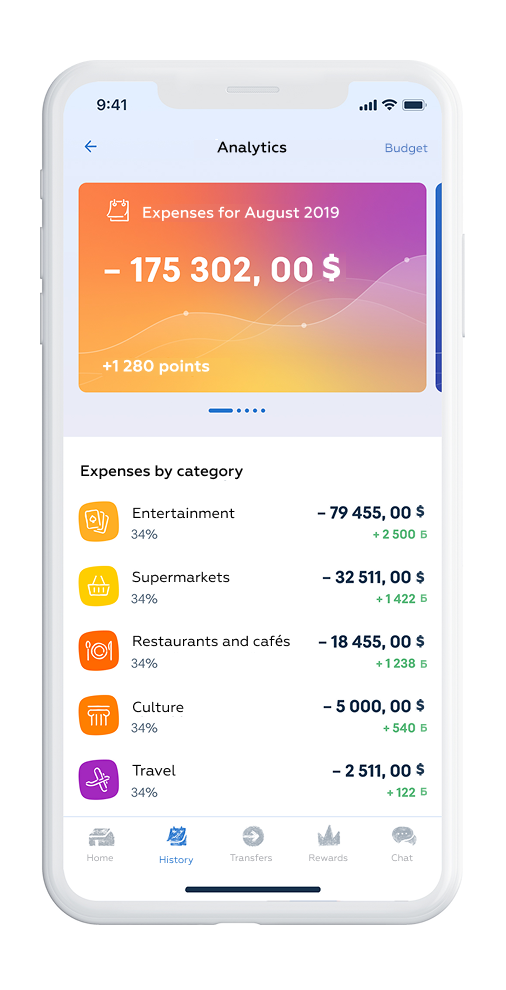
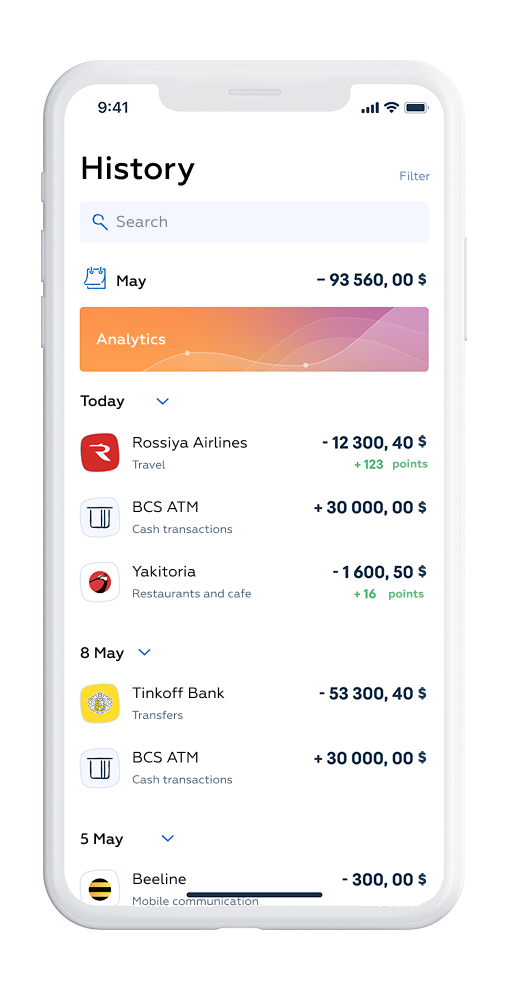
These examples, illustrated by Markswebb research with real interface screenshots, show how transparency, availability of contact, and clarity of actions directly impact user trust.
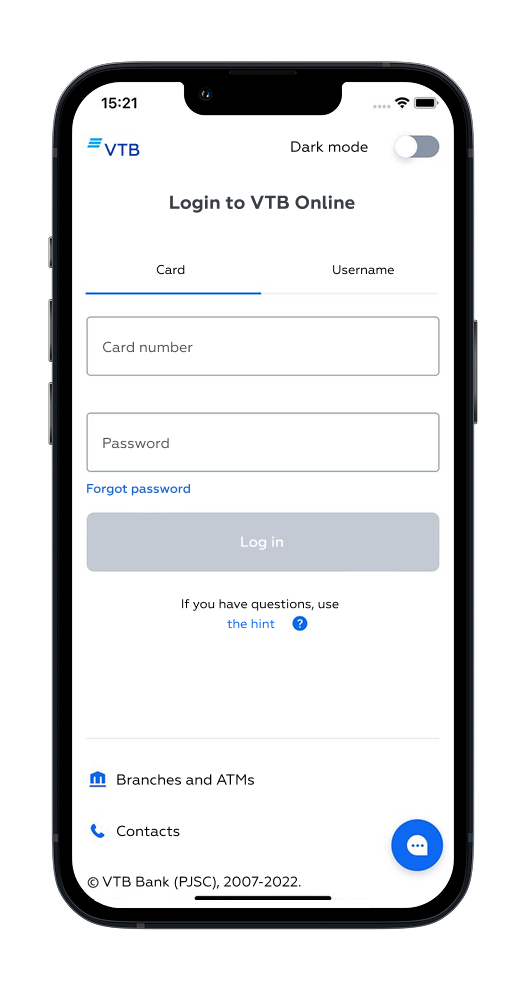
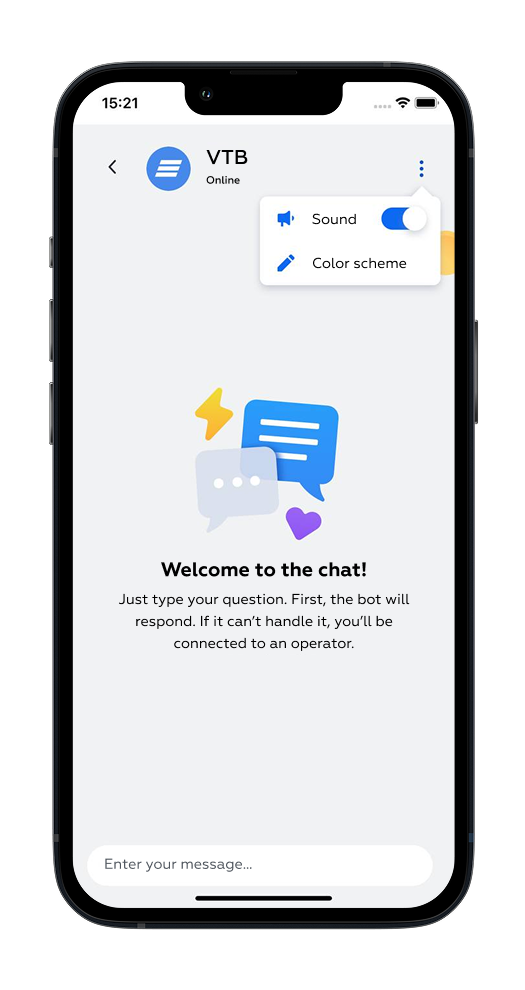
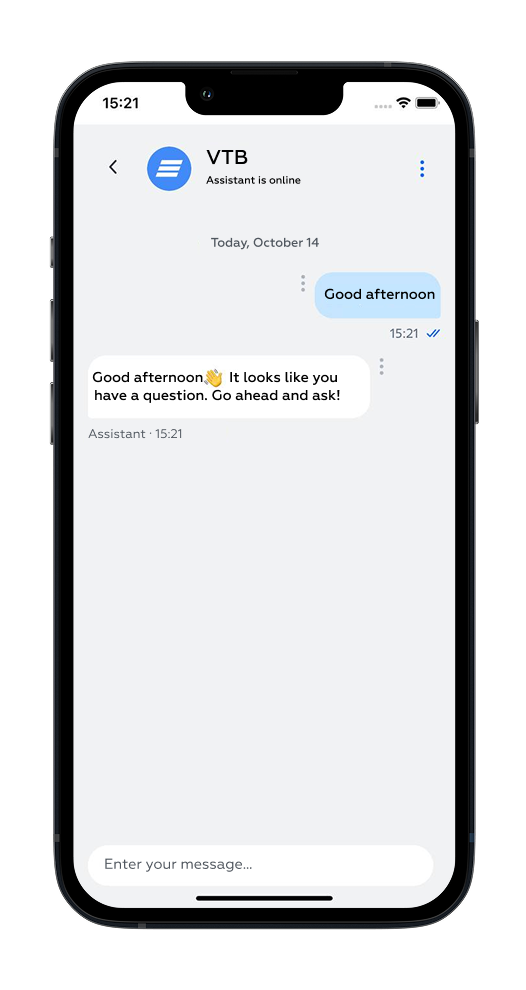
Why it matters: Users often need quick support — for example, to resolve access issues or urgent payment questions — before they can log in. If support is hidden behind authentication, trust in the bank declines.
Best practice: Provide a visible “Chat” or “Call” option in the pre-login area. This reassures customers that help is always available, even if they cannot access their account.
Example: In Bank’s interface, where chat access is available directly from the pre-login zone.
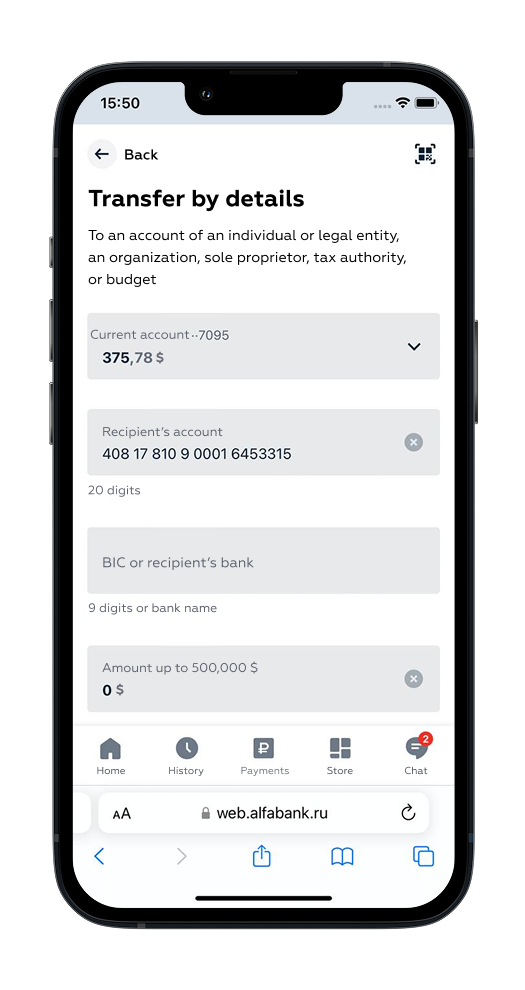
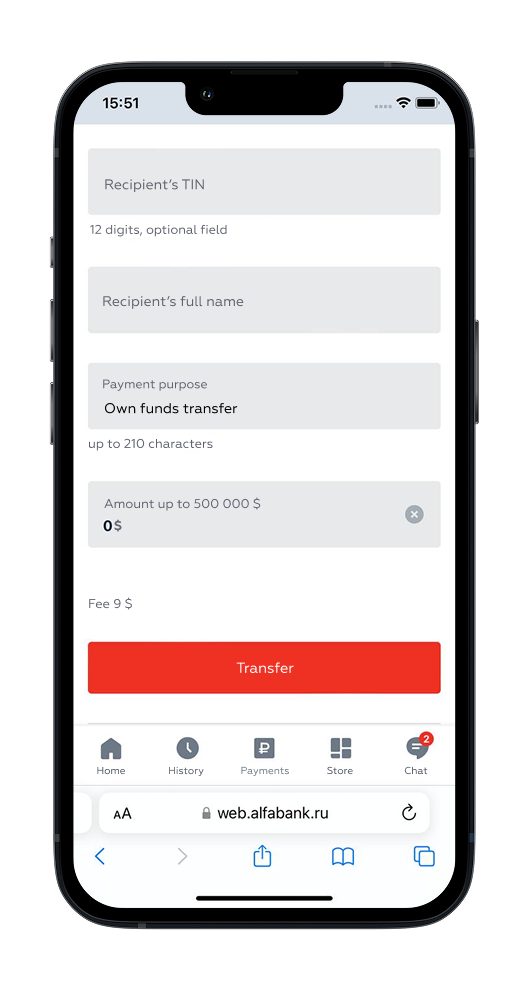
Why it matters: Hidden or delayed display of payment details makes users anxious about errors or unexpected charges. Trust grows when details are shown clearly and early in the flow.
Best practice: Show all key payment data — including recipient, account, limits, and fees — on a single screen before confirmation. This prevents mistakes and reassures customers.
Example: Markswebb’s research includes screenshots of services where utilities or transfers display all fields in a clear structure, reducing uncertainty.
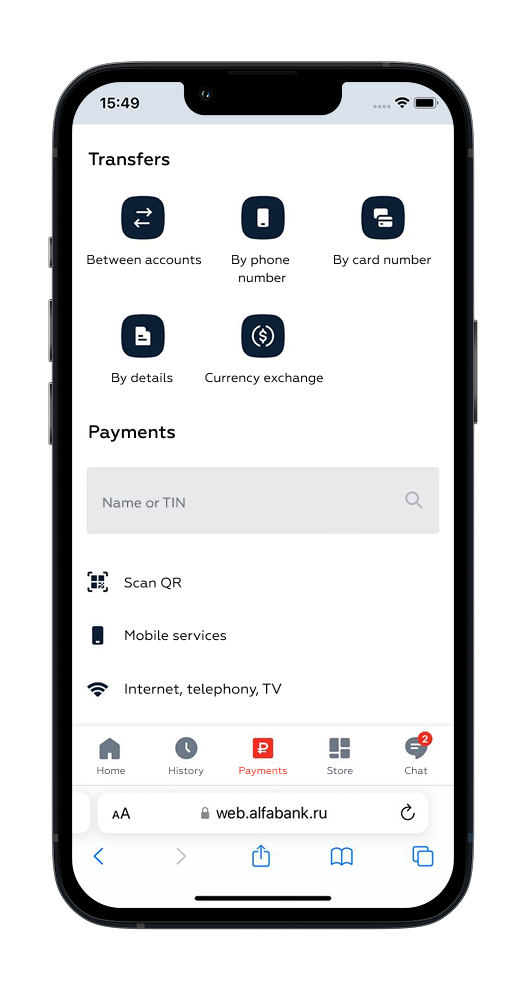
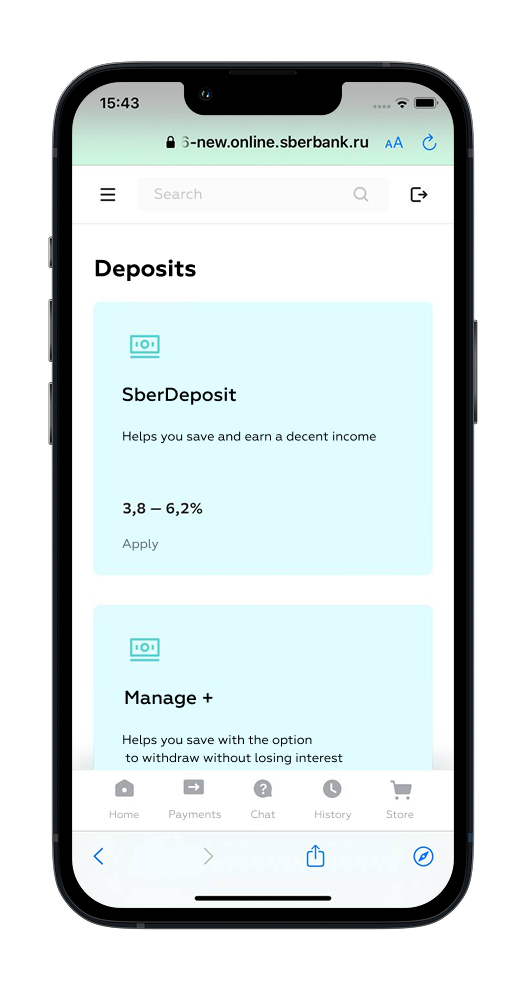
Why it matters: Customers lose confidence when tariff rules or transaction limits are scattered across multiple menus. Centralised dashboards build transparency and reduce hidden-fee anxiety.
Best practice: Offer a dedicated section (e.g., “My plan”) where tariffs, limits, and conditions are grouped together and regularly updated.
Example: Screenshots show how leading banks use dashboard-style sections to present limits and tariffs — making users feel in control.
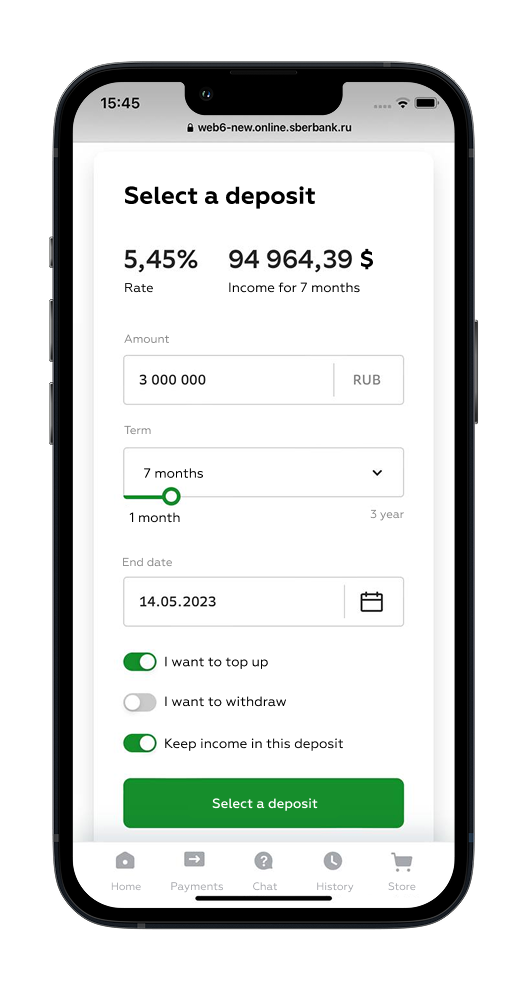
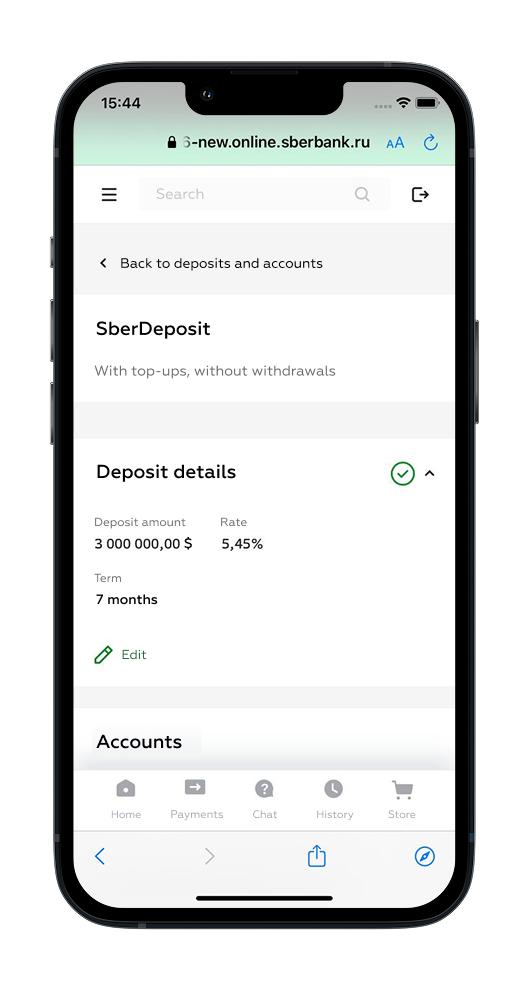
Why it matters: After sending a payment or activating automation, users expect instant reassurance. Complex or delayed confirmation breaks emotional connection.
Best practice: Use lightweight but reliable confirmation — clear status messages, push notifications, or highlighted transaction states.
Example: Research illustrates cases where small UX improvements, supported by screenshots, ensured instant confirmations without overloading development teams.
If you would like to gain access to more valuable best practices and see how they can be applied to your specific business challenges, you can reach out to us. At Markswebb, we provide a dedicated best practice research service that helps banks and fintechs discover, evaluate, and implement solutions proven to work in international markets.
Building trust and emotional connection requires deliberate design choices across the entire customer journey. Based on Markswebb research and observed best practices, we recommend product teams focus on the following steps:
By embedding these practices systematically, product teams can shift from designing services that “work” to designing services that feel trustworthy — a critical distinction in competitive digital banking markets.
In digital banking, trust is no longer built solely on secure infrastructure or regulatory compliance. It emerges through everyday interactions where customers feel safe, informed, and respected. Emotional connection — the sense that a bank understands and supports its users — is becoming just as important as technical reliability.
Our research shows that trust is strengthened when products deliver transparency, predictability, and control. Practices such as pre-login support access, clear dashboards of tariffs and limits, predictable automation flows, and instant confirmations transform abstract promises into tangible experiences of safety.
For banks, this shift is strategic. In a market where functional features are rapidly commoditized, trust and emotional connection become the real differentiators. Designing for them is not an add-on — it is the foundation for long-term loyalty, stronger customer relationships, and sustainable growth.
We respond to all messages as soon as possible.
We’ve evolved dozens of successful financial services and are eager to prove that our expertise can be implemented in other industries and around the world. Have a look at our success stories!