
The smart wallet and mobile banking market in MENA — and particularly in the UAE — is growing fast, but key onboarding and transparency gaps continue to limit adoption and trust. Our Mobile Banking Review UAE 2024 shows there is no industry-wide consensus on how authorisation and account opening should be structured. Some banks merge registration and account opening into a single seamless process, while others separate them — forcing users to enter the same data twice. In several cases, customers are required to open their first account in person and can only open subsequent ones remotely.
Transparency is another area where many providers fall short. In most cases, eligibility criteria and service terms are not disclosed upfront, and fees are hidden until late in the process. Eight out of eleven UAE banks do not provide clear access to service conditions and tariffs. Three banks do not display the fee for transferring money to another bank before the user confirms the transaction.
This insight explores these weaknesses and the opportunities they create. We highlight UX practices from both local leaders and international benchmarks that can help banks in MENA: from using dashboard-style sections for real-time access to application data, to making transfer fees visible early, to rethinking transparency not just as a compliance requirement but as a core UX principle. Even in seemingly simple scenarios like blocking a card, there is room to improve clarity and user confidence.
Contents
The UAE is one of the most advanced mobile banking markets in MENA, with high smartphone penetration, strong fintech investment, and a rapidly evolving regulatory framework. For expatriates — who make up a significant share of the population — mobile banking and smart wallets are often the primary channels for managing accounts, making transfers, and accessing financial services.
However, our research shows that even in this mature environment, the user experience for critical scenarios like account opening and payment transparency remains inconsistent and often inefficient.
Key weaknesses we identified:
These issues are not purely operational; they directly influence user perception of the bank’s reliability and transparency. In a competitive market where switching between providers is increasingly easy, such UX weaknesses represent both a risk and an opportunity.
The current gaps in onboarding, transparency, and payment clarity leave significant room for improvement. Global and regional leaders show that even simple UX adjustments can have a measurable impact on user trust, conversion rates, and product adoption.
Key opportunities we see for MENA banks:
By adopting these practices, banks in the UAE and across MENA can move closer to international UX standards while addressing the specific needs of their diverse, digitally active customer base.
These examples from leading international banks demonstrate how thoughtful UX design in transparency, transaction flows, and information delivery can address the very gaps observed in the MENA market. Each practice can be adapted to the regulatory and cultural context of the UAE and other regional markets.
Why it matters: Users often need to locate tariffs, limits, and account details quickly, without navigating multiple menus.
Best practice: Use a dedicated dashboard section (e.g., “My plan”) that consolidates tariff information, limits, and personalised account data.
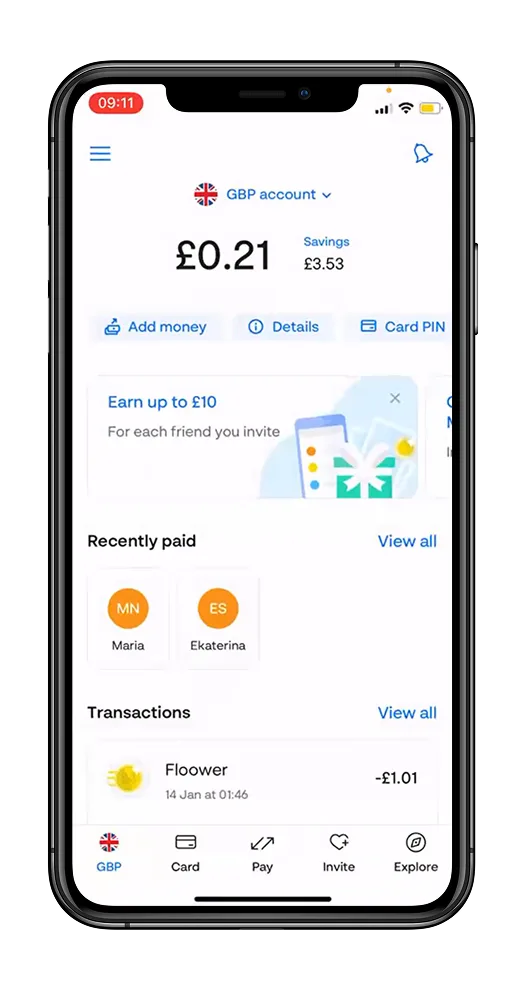
Example: Monese’s dashboard shows remaining ATM withdrawal limits and tariff details adapted to each user.
Why it matters: Knowing the total cost early helps users make informed decisions about the transfer amount.
Best practice: Show the fee and final amount (including commission) immediately after the user enters the transfer sum, allowing them to adjust before confirming.
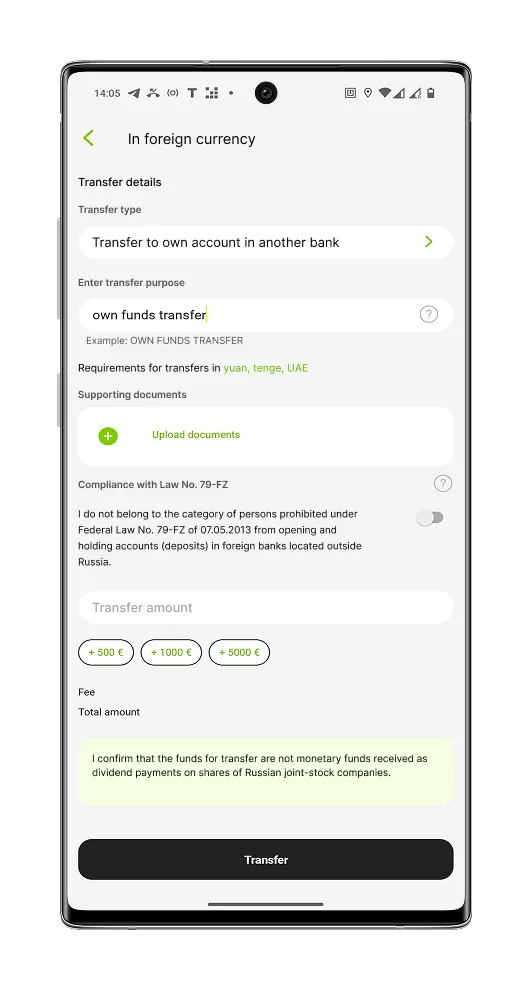
Example: OTP Bank displays the commission for international transfers right after the amount is entered.
Why it matters: Transparency should be applied to all service terms, not just costs.
Best practice: Offer comparative views and clear explanations to help users understand conditions before committing.
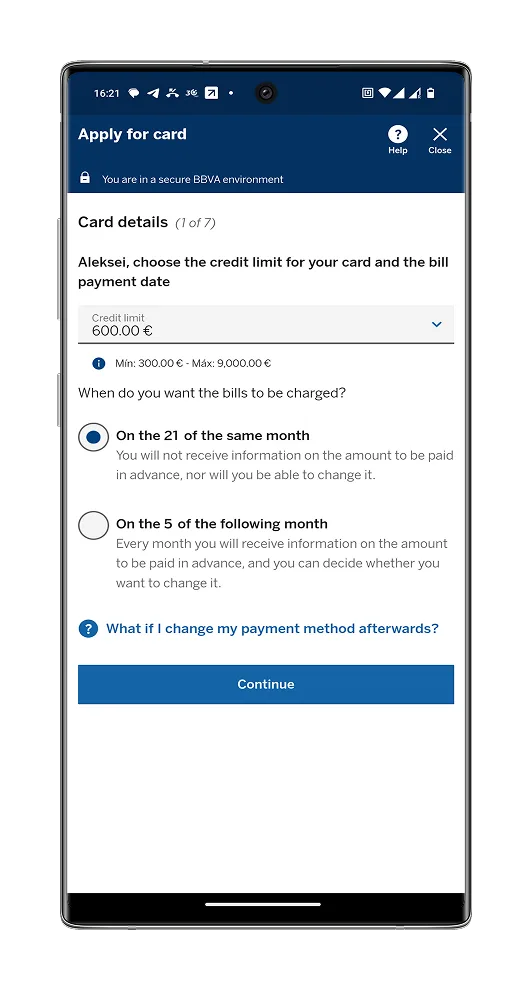
Example: BBVA allows customers to choose a credit card billing date with a clear side-by-side comparison of options.
Why it matters: Users should know exactly what happens when they take an action, even a simple one like freezing a card.
Best practice: Explain which transactions will be blocked and which will remain active to prevent misunderstandings.
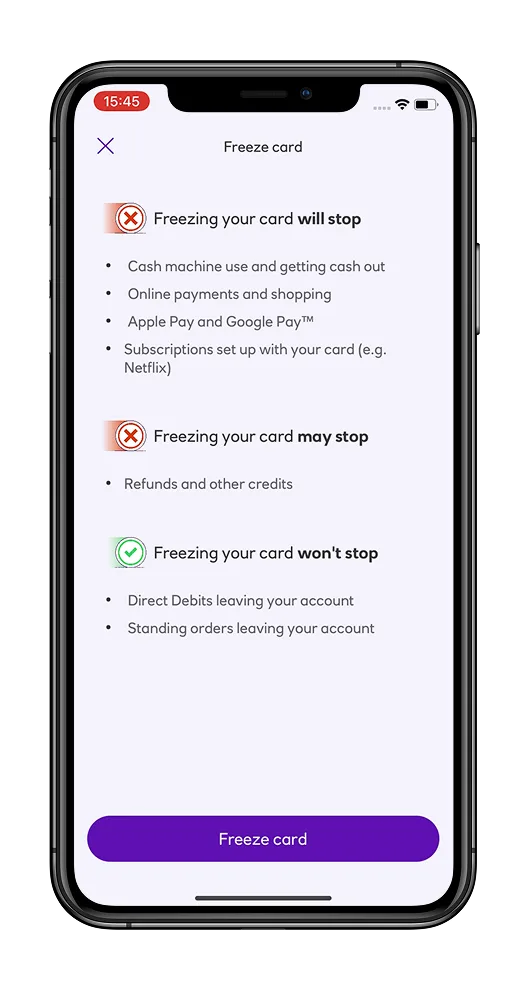
Example: NatWest specifies the types of transactions that will stop or continue when a card is frozen.
Why it matters: Supplementary information in the right place can make complex transactions easier and more transparent.
Best practice: Combine a concise main view with optional detailed screens covering exchange rates, conversion, and delivery options.
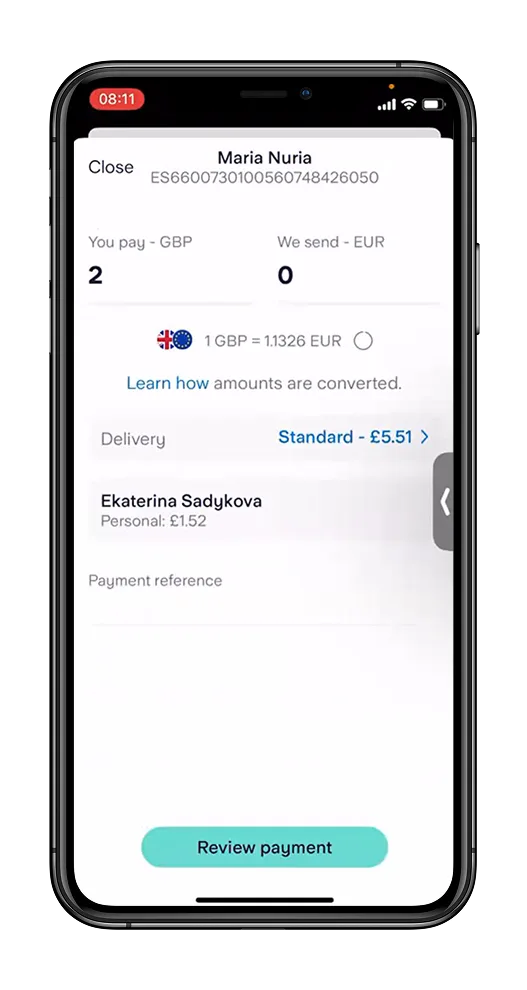
Example: Starling displays exchange rates and delivery fees directly in the payment form, with links to more detail.
Why it matters: Some users manually block and unblock cards for each transaction, which is inconvenient.
Best practice: Send a real-time notification with merchant and transaction details, letting the user confirm the payment in the app without manually unblocking the card.
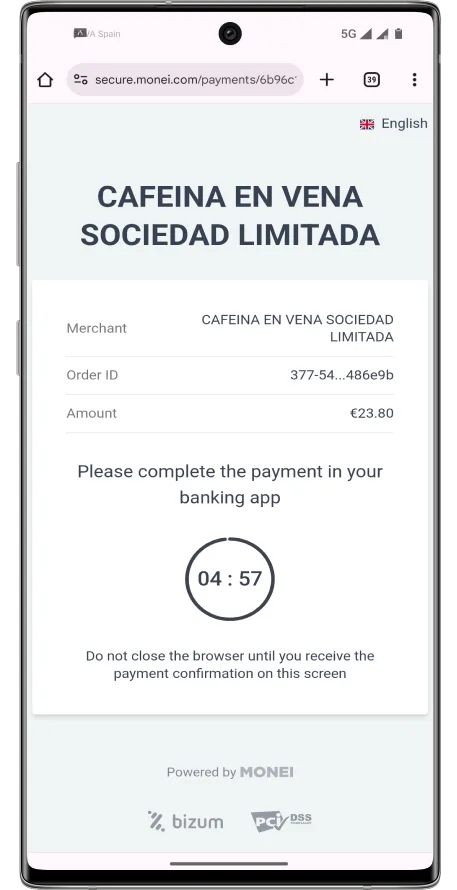
Example: BBVA sends an in-app notification to approve each transaction, maintaining security while reducing friction.
Improving smart wallet and mobile banking UX in MENA requires a clear prioritisation of changes that address both operational efficiency and user trust. Based on the findings from Mobile Banking Review UAE 2024, we recommend the following steps for product teams and decision-makers.
Short-term priorities (0–6 months)
Medium-term priorities (6–12 months)
Long-term priorities (12+ months)
A structured roadmap that combines quick wins with longer-term strategic improvements will help banks in the UAE and across MENA build wallets and mobile banking services that are transparent, efficient, and trusted by users.
The UAE’s mobile banking market demonstrates both the progress and the persistent gaps in MENA’s digital finance experience. While the infrastructure, regulatory support, and customer adoption levels are strong, fragmented onboarding, limited transparency, and hidden costs still undermine trust and reduce conversion.
International and regional best practices show that these challenges are solvable. Unifying account opening and registration, showing all requirements and fees upfront, optimising high-frequency scenarios like international transfers, and making security cues visible at the right moments can significantly improve both user satisfaction and business results.
In a competitive, mobile-first market, the banks that act first on these opportunities will define the user experience benchmark for the region — and set the pace for the future of digital banking in MENA.
We respond to all messages as soon as possible.
We’ve evolved dozens of successful financial services and are eager to prove that our expertise can be implemented in other industries and around the world. Have a look at our success stories!