
At Markswebb, we believe that behavioral design shouldn’t be treated as a dark art — especially when it can help users make better financial decisions and form lasting digital habits. That’s why we’re opening up a set of insights that were previously available only to our research clients and partners.
In this piece, we explore how dopamine design is being used in fintech — not to manipulate, but to engage meaningfully. You’ll find principles rooted in behavioral science, examples from top-performing mobile banking apps, and a practical framework for using emotional triggers responsibly. Our goal is to help product teams rethink how engagement works — and how it can work better.
Contents
In today’s saturated digital environment, user attention is a finite resource — and fintech apps are competing with everything from social media to gaming for a slice of it. Yet financial services face a unique challenge: users often interact with them out of necessity, not desire. This creates a gap between business goals (frequent, meaningful engagement) and user behavior (minimal, task-oriented use).
To close this gap, many fintechs are turning to behavioral design strategies — borrowing principles from apps that people want to use, not just have to. One of the most influential among them is dopamine design: a method of creating experiences that tap into our brain’s reward system, driving engagement through anticipation, surprise, and instant feedback.
While often associated with entertainment, dopamine-driven UX is now reshaping how we save, spend, invest, and budget. But to use this approach effectively — and responsibly — product teams need to understand not just how it works, but when and why to apply it.
Dopamine design refers to the intentional use of behavioral triggers that stimulate the brain’s reward pathways — especially the release of dopamine, a neurotransmitter linked to motivation and pleasure. Rather than offering value through function alone, dopamine-driven interfaces engage users on a neurological level, making actions feel rewarding in themselves.
At the core of dopamine design are three key mechanics:
This model was first refined in video games and social media, where user retention is critical. But it has since migrated into fintech, where emotional engagement is becoming just as important as usability — especially in products built around habits, such as budgeting, saving, or investing.
Dopamine design doesn’t replace good UX fundamentals — it builds on them, adding a layer of emotional reinforcement that nudges users to return, complete actions, and form routines. When used thoughtfully, it helps products become part of users’ everyday lives.
Insights from Markswebb’s research into digital banking UX
In our annual Mobile Banking Rank, we observed a growing use of behavioral triggers aimed at creating positive emotional feedback — especially in daily banking and digital office scenarios. While some of these mechanics are subtle, their cumulative effect is powerful: they increase retention, reduce friction, and help embed financial actions into users’ everyday routines.
The most illustrative practices include:
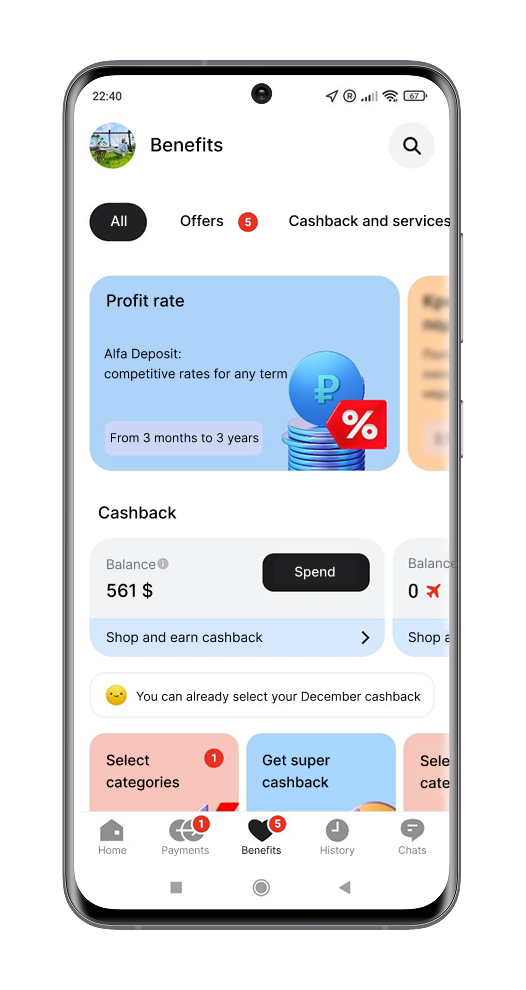
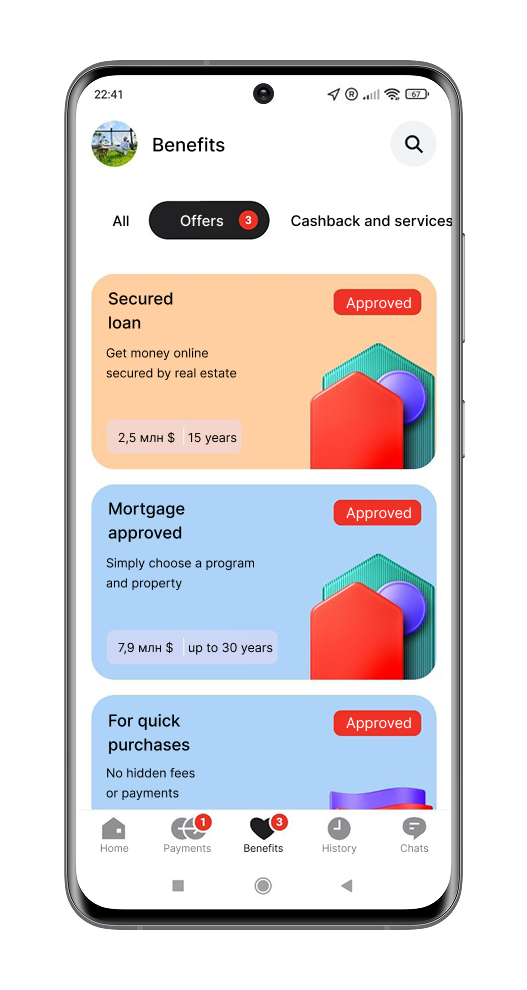
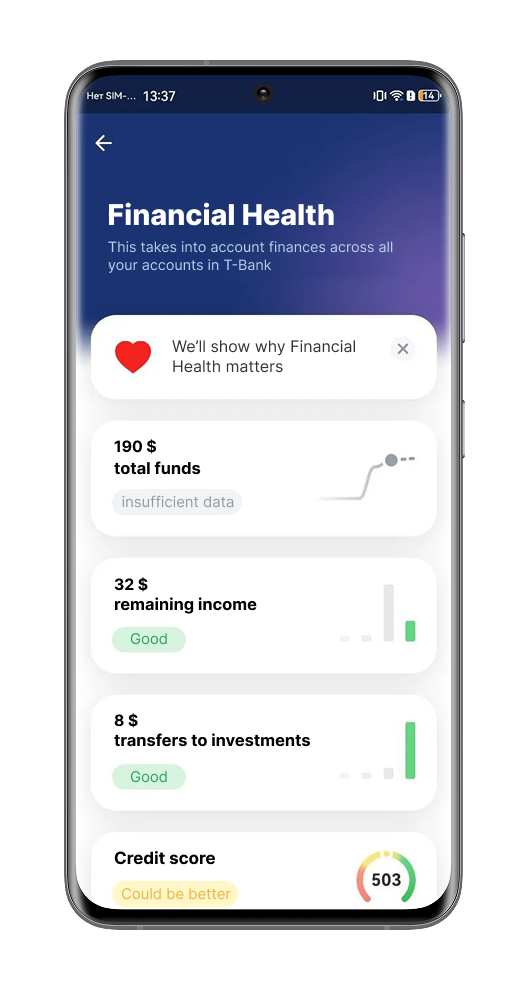
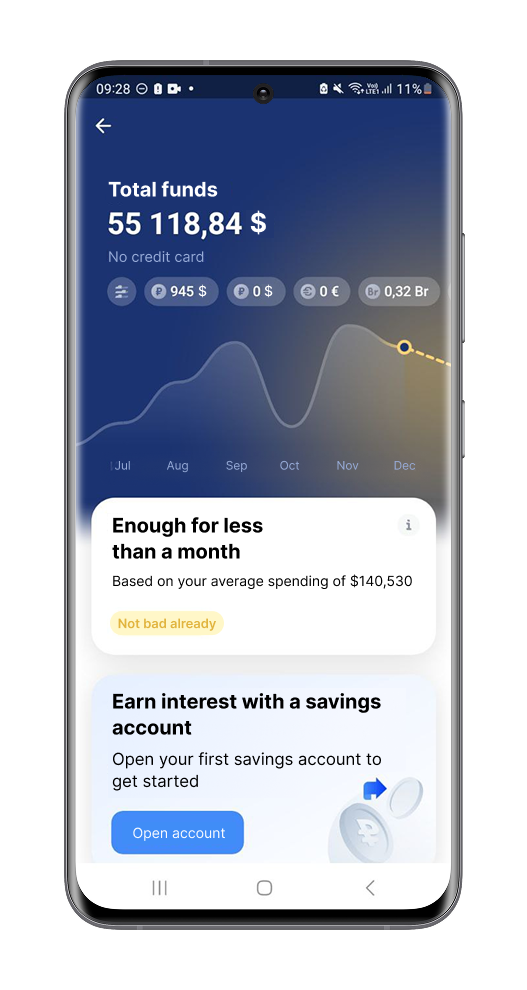
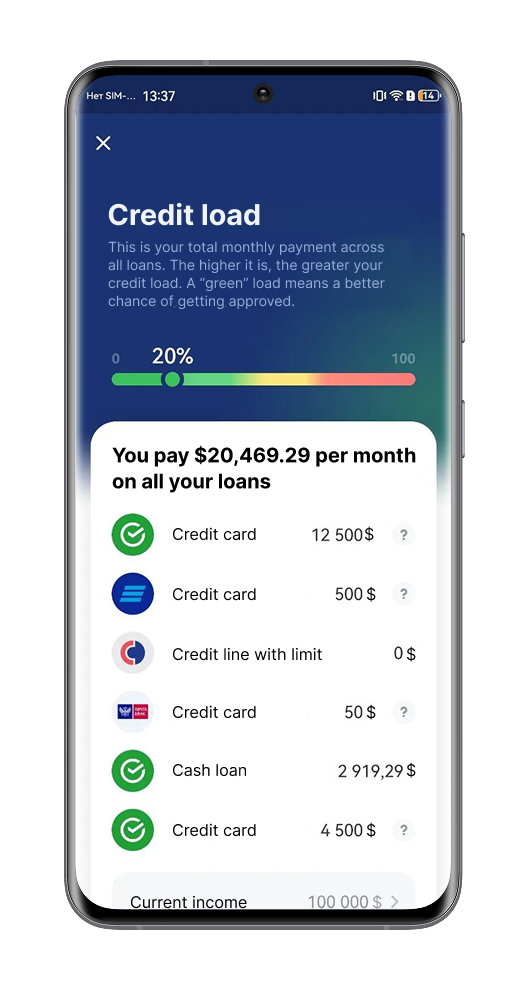

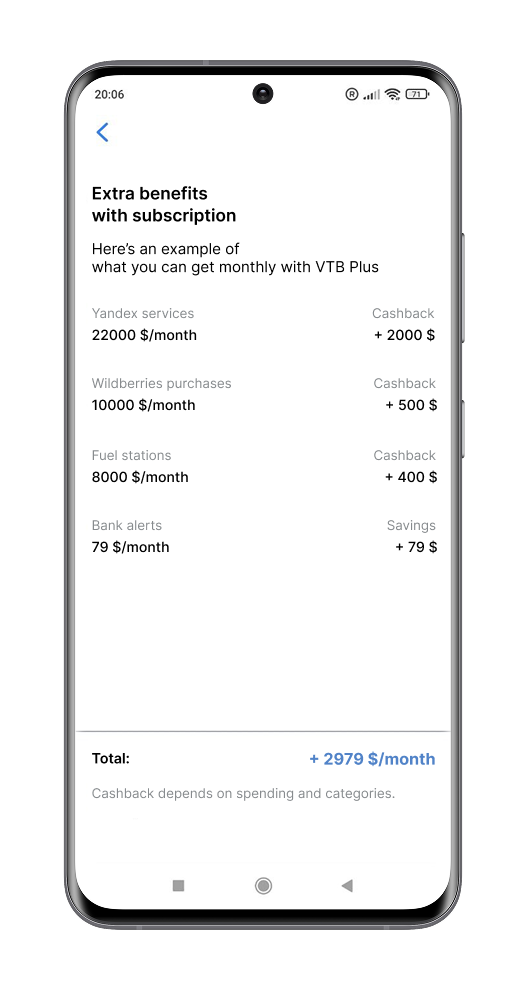
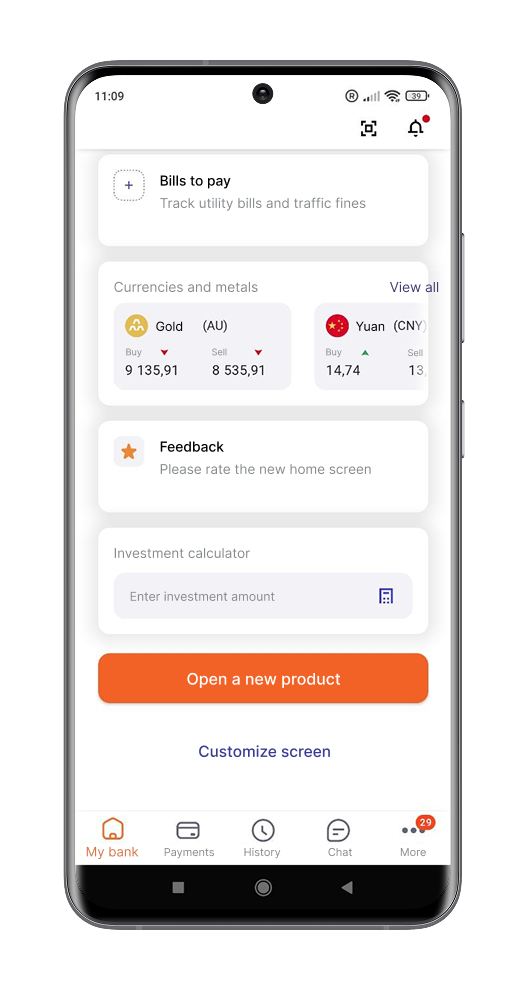
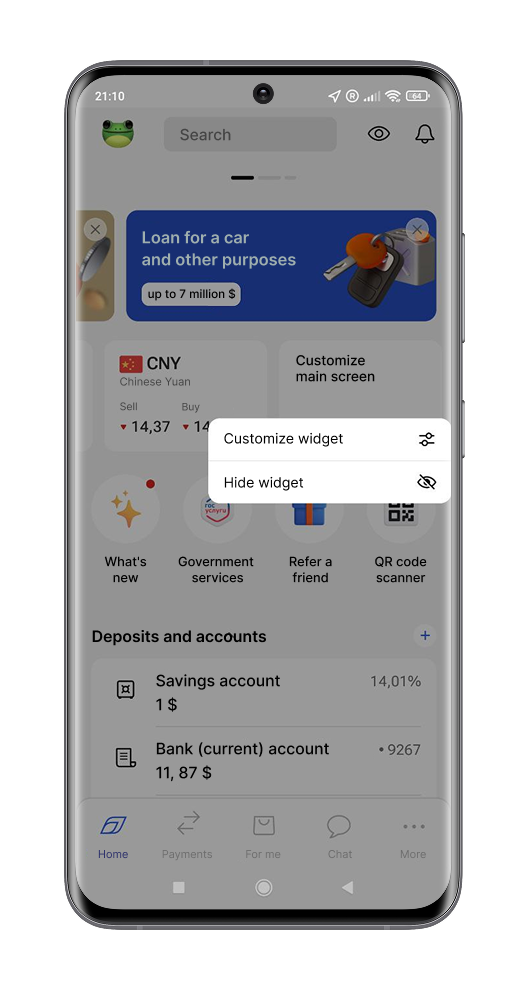
These practices combine visual cues, personalization, anticipation, and instant reward — all central to dopamine-based interaction. Crucially, they are framed around user needs: understanding spending, achieving goals, and gaining peace of mind. The most effective implementations don’t overload users with stimuli — they offer a sense of momentum.
While dopamine design can effectively increase engagement, it comes with inherent risks — particularly when used without regard for long-term user well-being. The same techniques that drive attention and habit formation can also lead to unintended consequences: compulsive use, reduced self-control, or user fatigue.
In financial services, these risks are especially sensitive. Money-related decisions carry emotional and practical weight. When engagement mechanics prioritize frequency over quality — nudging users to act more often, rather than more mindfully — trust can erode quickly. What begins as a positive reinforcement loop may end up feeling manipulative.
There’s also the danger of creating false agency: giving users the illusion of control while subtly steering them toward predefined outcomes. In highly regulated and trust-dependent environments like banking or investing, this tension becomes particularly acute.
Ethical application of dopamine design requires recognizing the difference between stimulation and coercion, and between habit and dependency. Done right, it helps users build confidence, form healthy financial habits, and engage more meaningfully. Done poorly, it undermines the very goals fintech services claim to support — transparency, empowerment, and user-centered value.
To use dopamine design responsibly, fintech teams need more than behavioral insights — they need a framework that aligns engagement tactics with real user value. The goal isn’t just to make users return — it’s to help them return for the right reasons.
Key principles include:
Ultimately, healthy engagement is about helping users feel progress, not pressure. That requires thoughtful UX strategy, behavioral safeguards, and a commitment to designing for people — not just for metrics.
As fintech services mature, simply offering functionality is no longer enough. Users expect clarity, guidance, and motivation — especially when dealing with complex, emotionally charged topics like money. Dopamine design offers a powerful toolkit for shaping behavior, but its true value lies in how it’s applied.
Rather than chasing attention through habit loops alone, product teams should aim to design meaningful engagement — where emotional triggers support confidence, transparency, and better decisions. When dopamine design is grounded in research, ethics, and user benefit, it can transform fleeting interactions into lasting trust.
At Markswebb, we help fintech teams evaluate and design for these dynamics — benchmarking behavioral mechanics, measuring their impact, and aligning UX strategy with real user needs.
We respond to all messages as soon as possible.
We’ve evolved dozens of successful financial services and are eager to prove that our expertise can be implemented in other industries and around the world. Have a look at our success stories!